
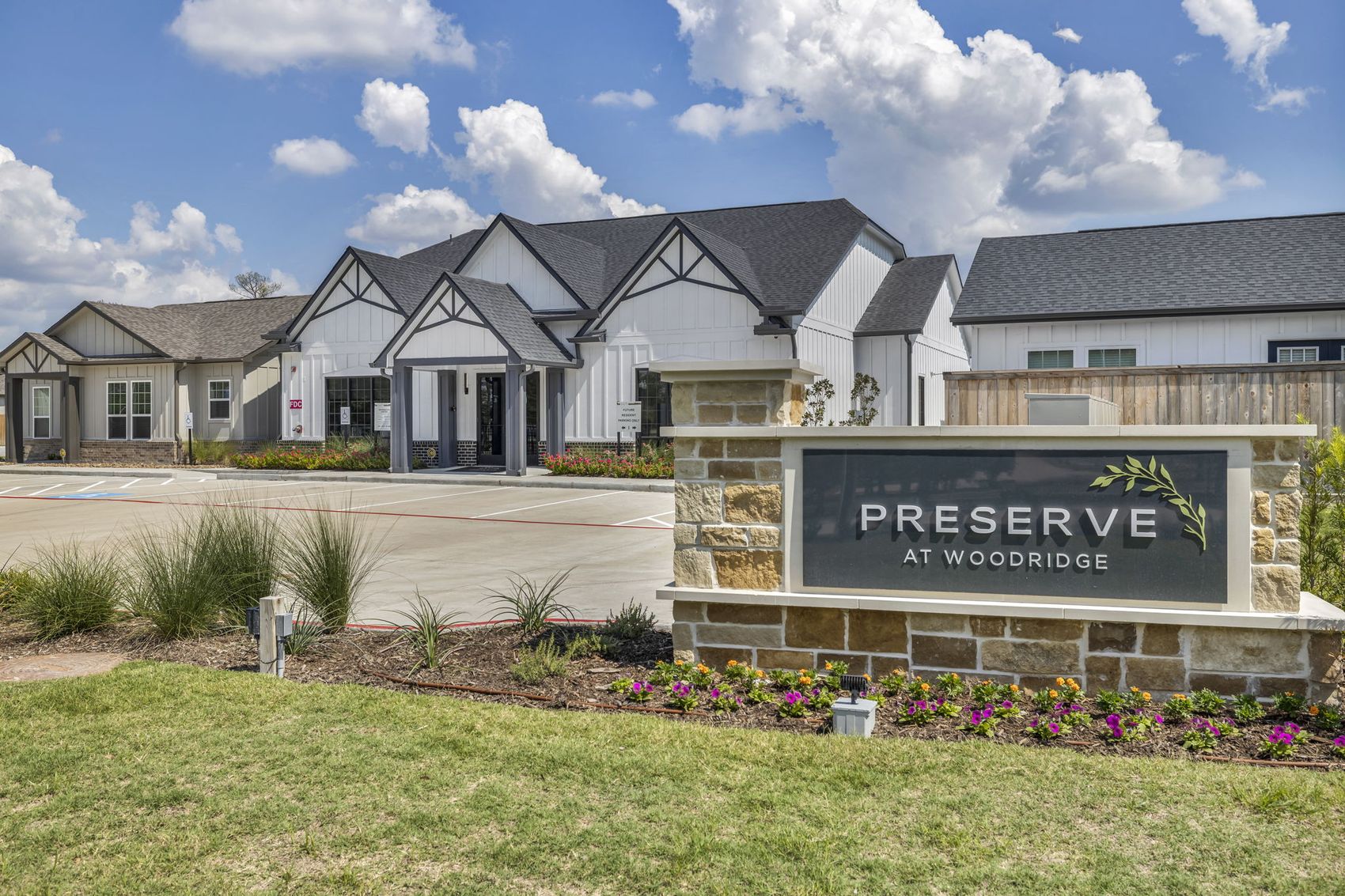
Key takeaways from the report
A build-to-rent community is designed from day one as a rental property.
Townhome-style rental communities, with two-story units, private entries and often attached garages
Detached cottage or "horizontal apartment" communities, with single-story units and small private yards
Defining build-to-rent
A build-to-rent community is designed from day one as a rental property. Unlike scattered single-family rentals bought one at a time, BTR units are planned, built and operated together on one site, usually with a leasing office, amenities and on-site management.
Common BTR formats include:
Townhome-style rental communities, with two-story units, private entries and often attached garages
Detached cottage or "horizontal apartment" communities, with single-story units and small private yards
Hybrid communities that mix townhome units with traditional apartment buildings
Who rents BTR units?
BTR typically appeals to renters who want more space and privacy than a traditional apartment provides:
Young families who want room to grow and access to good schools
Professionals who work from home and want a dedicated office
Households relocating to a new metro who want to learn the area before buying
Empty nesters who want low-maintenance living without giving up space
Renters with pets who value a private yard or patio
Many of these residents could qualify to buy but choose to rent for flexibility, convenience or because ownership costs in their market have moved out of reach.
Why investors are paying attention
Durable demand. When the cost of owning rises faster than the cost of renting, more households rent for longer. BTR gives those renters a product that feels like a neighborhood rather than a building.
Resident stability. Renters with families and more space to settle into often stay longer, which can reduce turnover costs.
Operating efficiency at scale. Because all units are on one site under one manager, BTR avoids the travel and maintenance inefficiencies of scattered single-family rentals.
New, purpose-built product. Like any ground-up development, BTR is built to a cost designed to sit below its stabilized value, rather than purchased at fair market value.
Recent construction data. According to NAHB's analysis of Census Bureau data, builders started about 68,000 single-family built-for-rent units in 2025, down 19% from 84,000 in 20241,2. Even after that decline, built-for-rent's share of single-family starts, about 7% on a four-quarter average, remained well above its 1992–2012 average of 2.7%1.
How BTR differs from traditional multifamily
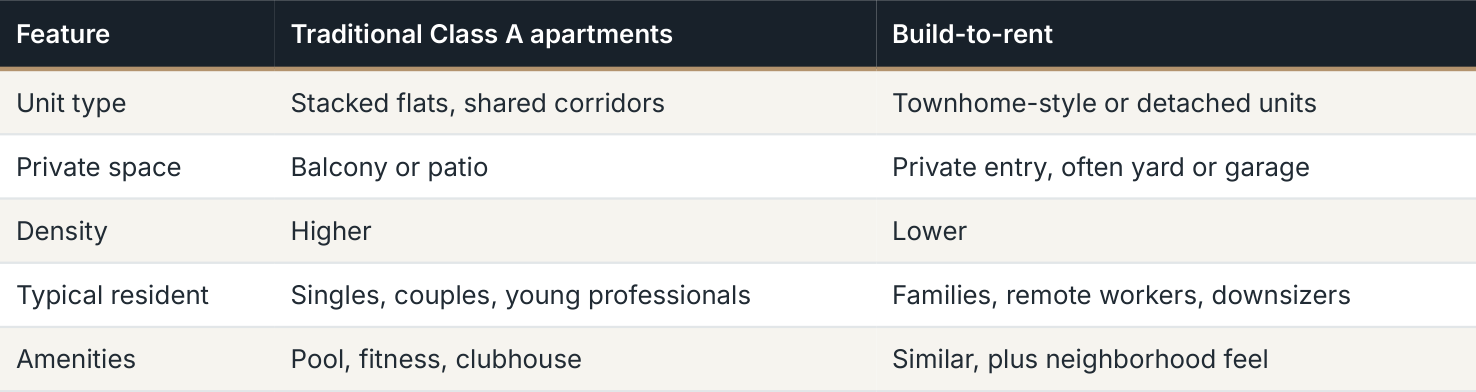
Table Summary and Key Values
| Feature | Traditional Class A apartments | Build-to-rent |
|---|---|---|
| Unit type | Stacked flats, shared corridors | Townhome-style or detached units |
| Private space | Balcony or patio | Private entry, often yard or garage |
| Density | Higher | Lower |
| Typical resident | Singles, couples, young professionals | Families, remote workers, downsizers |
| Amenities | Pool, fitness, clubhouse | Similar, plus neighborhood feel |
What investors should evaluate
Site and schools. BTR residents often choose by school district and commute.
Rent positioning. How do rents compare with nearby Class A apartments and with the monthly cost of owning a comparable house?
Competing supply. How many BTR and multifamily units are under construction nearby?
Operating plan. Who manages landscaping, exterior maintenance and amenities, and how are those costs budgeted?
Sponsor experience. Has the sponsor built and leased this product type before?
Reserves. Is the interest reserve funded in full at closing and sized for a slower-than-planned construction and lease-up?
BTR in the Sun Belt
Fast-growing Sun Belt metros such as Houston, Dallas-Fort Worth, Austin, Nashville and Phoenix combine job growth, in-migration and suburban land availability, which makes them natural markets for BTR.
The economics of BTR operations
BTR communities share many operating features with traditional apartments: a central leasing office, professional property management, online rent payment and maintenance requests, and amenities such as pools, fitness centers and dog parks. But there are differences investors should understand.
Exterior and landscape maintenance. With more ground area per unit, landscaping, irrigation and exterior upkeep can be a larger line item. Budgets should reflect this.
Utilities. Townhome-style and detached units are often individually metered, so residents pay most utilities directly.
Resident profile and turnover. Families and households with more belongings tend to move less often, which can mean lower turnover and make-ready costs.
Rents. BTR units are generally larger than comparable apartments, so total rents are higher even when rent per square foot is similar or lower.
H Y P OT H E T I CA L I L L U S T R AT I O N : R E N T P E R U N I T V S . R E N T P E R S Q U A R E F O OT

Table Summary and Key Values
| Unit size | Rent per sq. ft. | Monthly rent | |
|---|---|---|---|
| Traditional apartment | 900 sq. ft. | $1.80 | $1,620 |
| Build-to-rent unit | 1,300 sq. ft. | $1.65 | $2,145 |
Arithmetic: 900 × $1.80 = $1,620; 1,300 × $1.65 = $2,145. The BTR unit rents for $525 more per month even though its rent per square foot is $0.15 lower.
Hypothetical example for illustration only. Not a projection or the terms of any offering.
How BTR fits with traditional multifamily
BTR and traditional Class A apartments serve overlapping but different renters. Many investors view them as complementary: traditional communities serve younger professionals near job centers, while BTR serves renters further along in life who want space and privacy. A developer with experience in both can choose the product that best fits each site and submarket.
Frequently asked questions
Is BTR the same as a single-family rental portfolio? No. Single-family rental portfolios are typically assembled from individual houses spread across a metro. BTR communities are planned and built together on one site and operated like an apartment community.
Do BTR residents eventually buy? Some do, and some rent for many years. Flexibility is part of the appeal, and a well-run community plans for normal turnover.
Is BTR riskier than apartments? It carries the same core development risks: construction, lease-up and market conditions. Product fit with the submarket and the sponsor's experience matter most.
The bottom line
Build-to-rent brings the space of a house and the convenience of a professionally managed community together in one product. For investors, it is a way to participate in new rental housing that serves a growing renter profile, built with a cost basis designed to sit below its stabilized value.
A selection of Ascendant communities
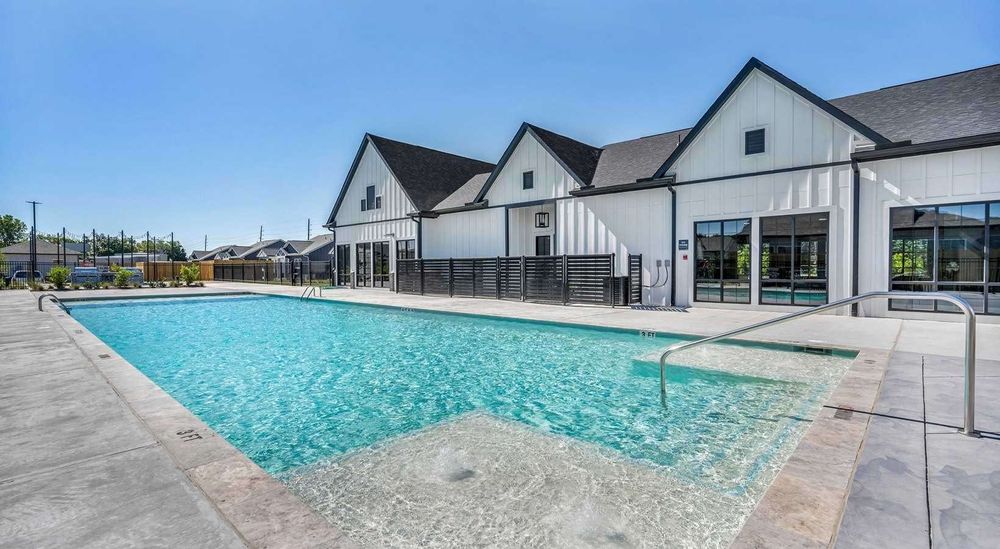
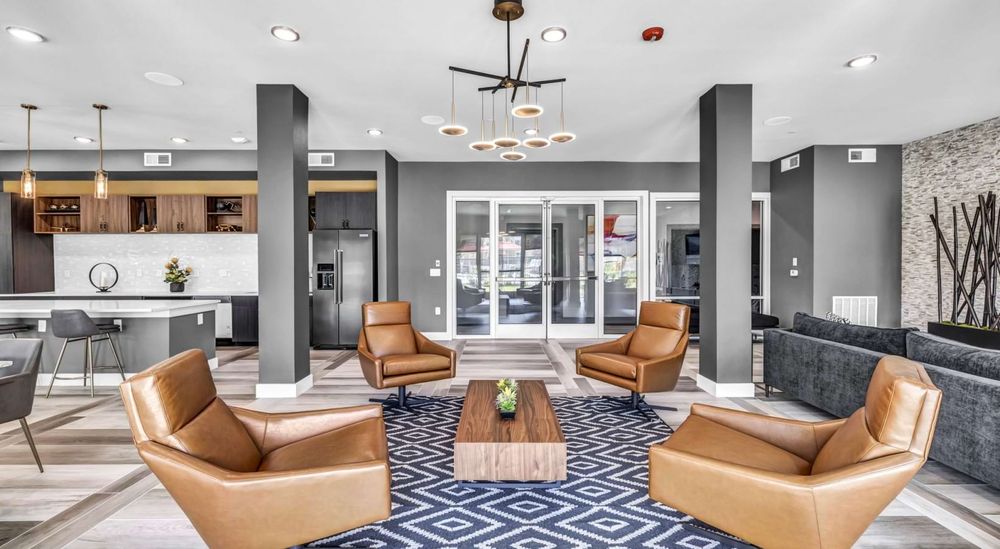
Amplify Tomball, Tomball, TX · build-to-rent townhome
Join the Build to Rent Investor List
To talk through development investing with the Ascendant team, visit https:// www.ascendantdevco.com/invest-with-us or call Ascendant Development at 713.600.9393.
Join the Build to Rent Investor List
Sign up for Build to Rent investor updates →
Scan the code to join the Build to Rent Investor List.
S O U R C E S
1. National Association of Home Builders, Eye On Housing, "Weaker Conditions for Single-Family Built-for-Rent Housing" (March 12, 2026).
https://eyeonhousing.org/2026/03/weaker-conditions-for-single-family-built-for-rent-housing/
2. U.S. Census Bureau, Quarterly Starts and Completions by Purpose and Design. https://www.census.gov/construction/nrc/pdf/ quarterly_starts_completions.pdf
I M P O R TA N T D I S C L O S U R E S
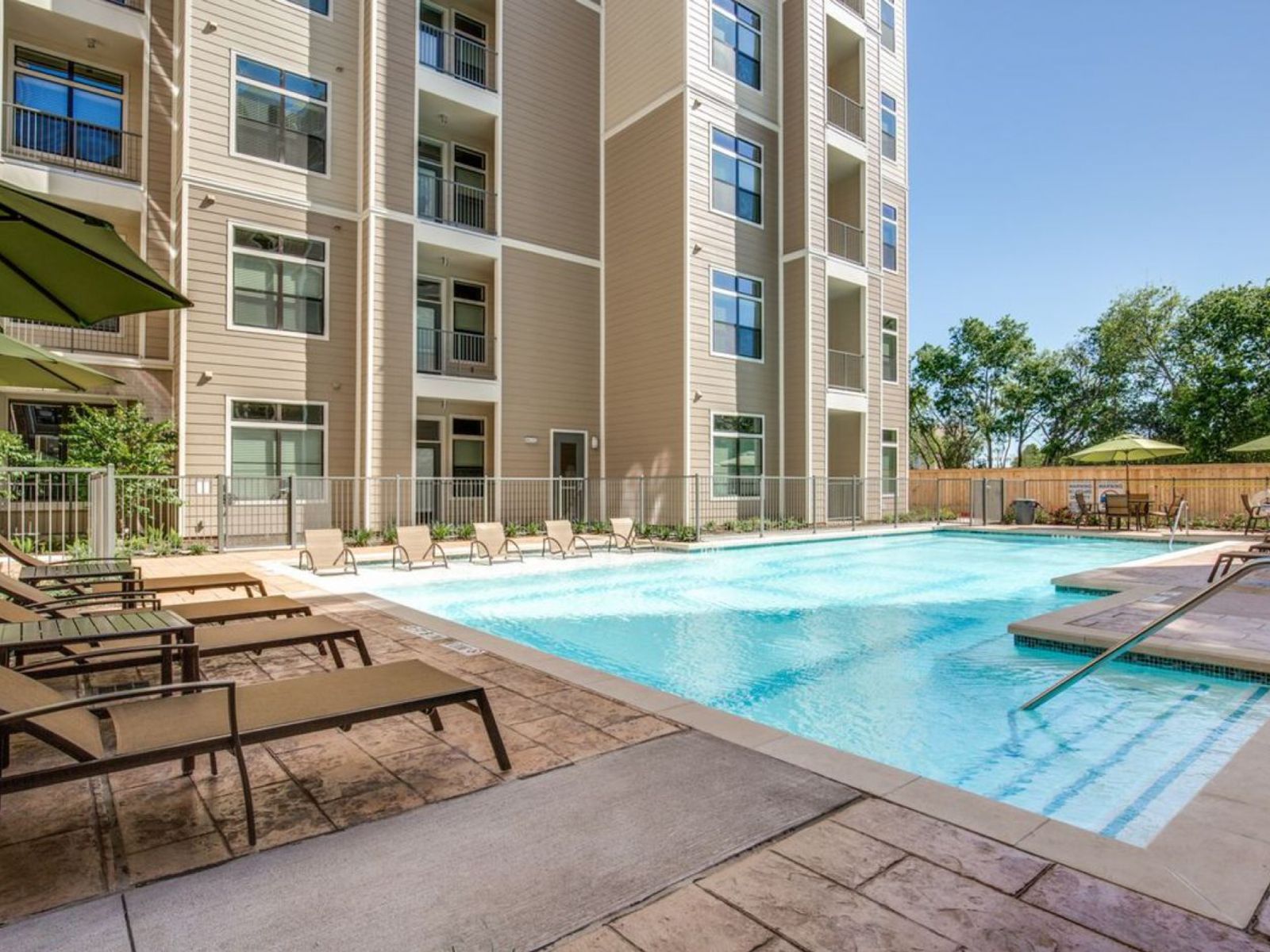
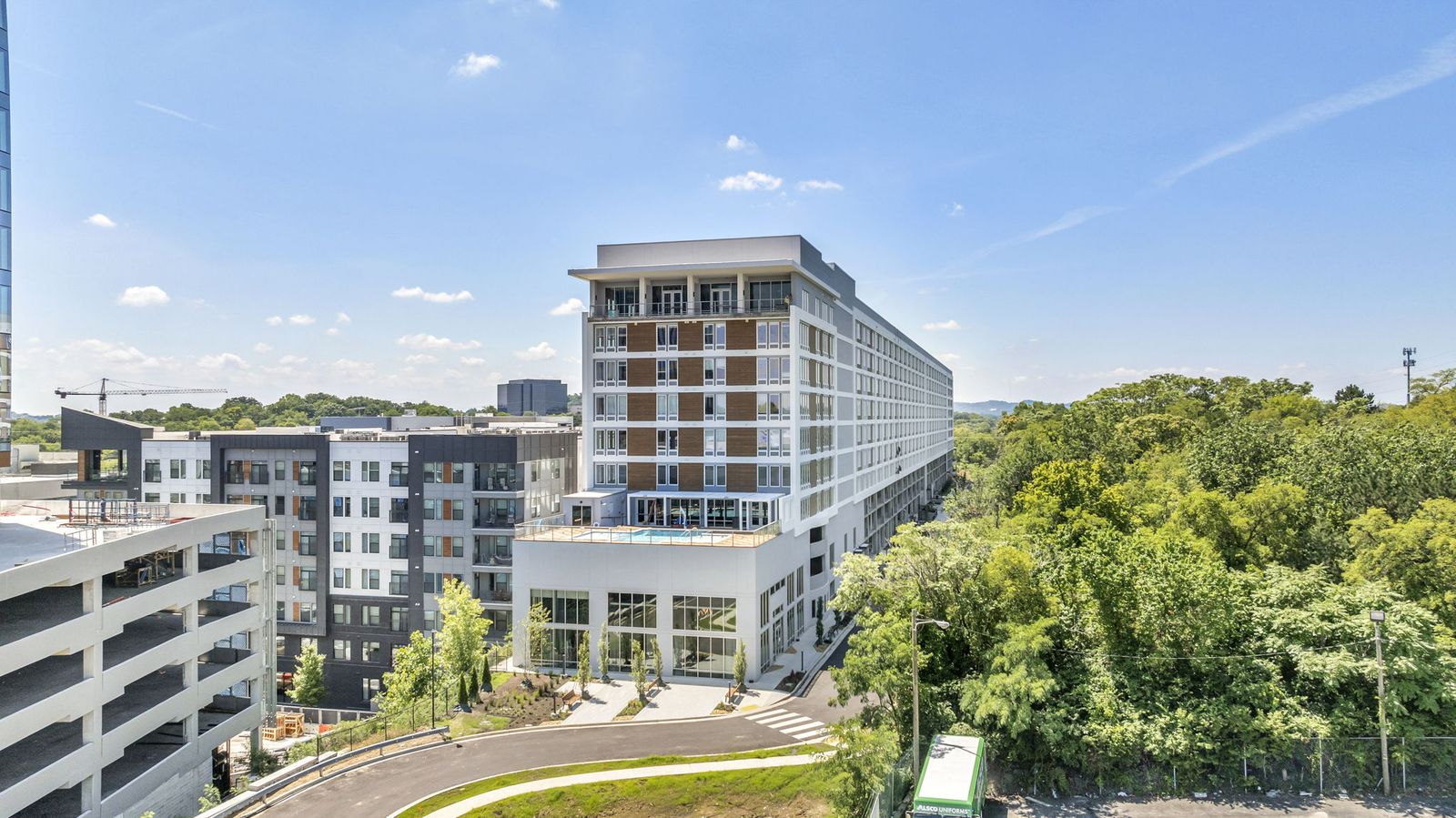
This article is for educational purposes only and is not an offer to sell or a solicitation of an offer to buy any security. Any offering by Ascendant Development or its affiliates is made only to verified accredited investors under Rule 506(c) of Regulation D through definitive offering documents, which should be read in full, including the risk factors. Real estate development involves risk, including the possible loss of principal, and is illiquid. Nothing here is tax, legal or investment advice; consult your own advisors. Forward-looking statements are not guarantees. Hypothetical examples are for illustration only and are not projections or the terms of any offering. Photographs show completed or existing Ascendant projects. They are shown to illustrate the firm's work and do not represent any specific current offering.
Haven at Main, Houston, Texas.
Haven at Charlotte, Nashville, Tennessee.
- Source 1 on report page 5
- Source 2 on report page 5
- Source 3 on report page 5
- Source 4 on report page 5
- Source 5 on report page 5
For educational purposes only. Not an offer to sell or a solicitation of an offer to buy any security. Any offering will be made only to verified accredited investors under Rule 506(c) of Regulation D through definitive offering documents. Past performance does not guarantee future results.