

Key takeaways from the report
Physicians are some of the most heavily taxed, time-constrained high earners in the country.
This guide focuses on one corner of that world: ground-up multifamily development, including build-to-rent (BTR) communities.
It is not an offer to sell, or a solicitation of an offer to buy, any security, and it contains no deal terms or return projections.
Executive summary
Physicians are some of the most heavily taxed, time-constrained high earners in the country. Medscape's 2026 survey puts average physician compensation at about $386,000 for 2025, and the same survey found doctors working 49 hours a week on average.1,2 That combination of high ordinary income and little free time is why so many physicians look at passive real estate: owning a share of a property that a professional sponsor builds and manages, rather than becoming a landlord on nights and weekends.
This guide focuses on one corner of that world: ground-up multifamily development, including build-to-rent (BTR) communities. Development can offer things that buying an existing property can't, such as a brand-new asset built at today's cost and significant depreciation once units are placed in service. It also carries risks that existing properties don't, including construction cost, schedule and lease-up risk. We cover how a deal works from land to exit, what you actually own as a limited partner (LP), how Rule 506(c) and accredited-investor verification work, how to vet a sponsor, how long your money is tied up, and the tax rules physicians ask about most, including the 2025 law that made 100% bonus depreciation permanent and the passive activity rules that decide whether paper losses can offset your income. A new section covers investing through a self- directed IRA and the Roth conversion strategy, including UBTI, valuation and the backdoor Roth trap.
What this guide is and isn't. This is general investor education. It is not an offer to sell, or a solicitation of an offer to buy, any security, and it contains no deal terms or return projections. It is not tax, legal or investment advice. Tax results depend on your own facts; please review anything here with your CPA. See the full disclosures at the end.
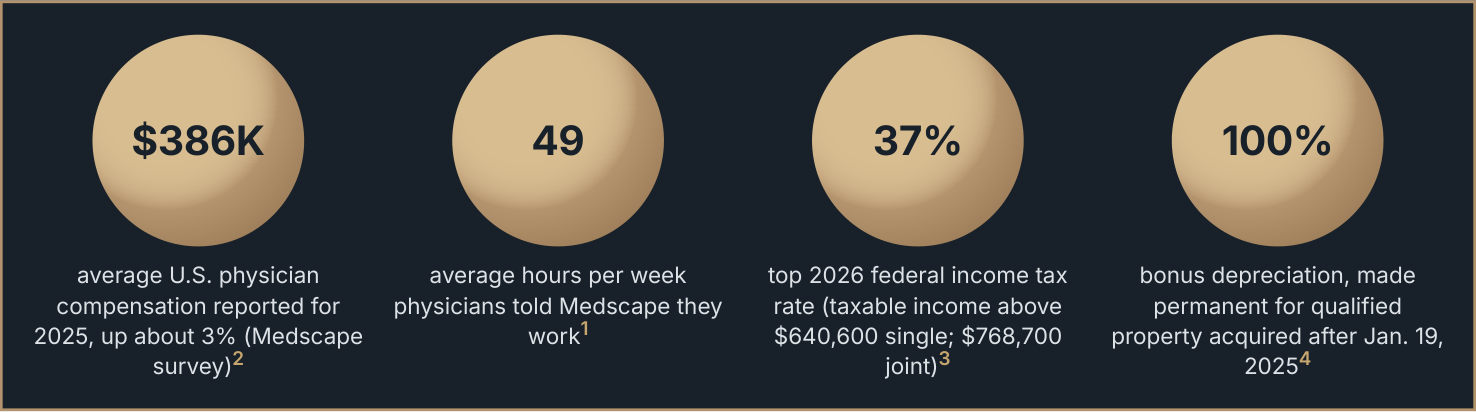
Chart Summary and Key Values
$386K: average U.S. physician compensation reported for 2025, up about 3% (Medscape survey, source 2). 49: average hours per week physicians told Medscape they work (source 1). 37%: top 2026 federal income tax rate, for taxable income above $640,600 single or $768,700 joint (source 3). 100%: bonus depreciation, made permanent for qualified property acquired after Jan. 19, 2025 (source 4).
1. Why physicians look at private real estate
BOTTOM LINE High W-2 income, high marginal tax rates and very little free time make passive, professionally managed real estate a natural fit for many physicians, but only with capital they can leave invested for years.
A high-income, high-tax profile
Most physician income arrives as wages or practice income taxed at ordinary rates. For 2026, the top federal rate of 37% applies to taxable income above $640,600 for single filers and $768,700 for married couples filing jointly; the 35% bracket starts at $256,225 (single) and $512,450 (joint).3 On top of that, a 3.8% net investment income tax (NIIT) applies to investment income, including rents and passive business income, once modified AGI exceeds $250,000 for joint filers or $200,000 for single filers.5 Unlike wages, real estate can produce depreciation deductions that may shelter some of its own income, which is one reason physicians ask about it so often (see Section 8).
Time is the scarcest asset
Doctors told Medscape they work 49 hours a week on average, and in the prior year's survey 38% said they had taken on paid work outside their regular hours.1 Owning rental property directly can be rewarding, but it is a second job: tenants, repairs, contractors, bookkeeping and insurance. Passive investing trades control for time. You rely on a sponsor's judgment and execution, which is why sponsor selection (Section 6) matters more than any single market statistic.
Diversification beyond W-2 income and public markets
Many physicians' net worth is concentrated in two places: their own earning power and public stocks and bonds in retirement accounts. Private real estate is a different kind of asset, tied to rents, local housing demand and construction costs. That can diversify a portfolio, but it is illiquid: there is no daily market for an LP interest, and money invested in a development deal is typically tied up for several years. Keep emergency reserves and near-term needs (a practice buy-in, a home purchase, tuition) out of illiquid investments.
A quick self-check. Private development investments generally fit only investors who (1) are accredited and can be verified as such, (2) can afford to lose the entire amount invested, (3) won't need the money for the life of the project, and (4) have reviewed the tax side with a CPA who knows their full picture.
2. Active vs. passive: two ways to own real estate
BOTTOM LINE Owning directly gives you control and more tax flexibility but takes real time; investing as a limited partner trades control for a professional team, and the losses are generally passive.
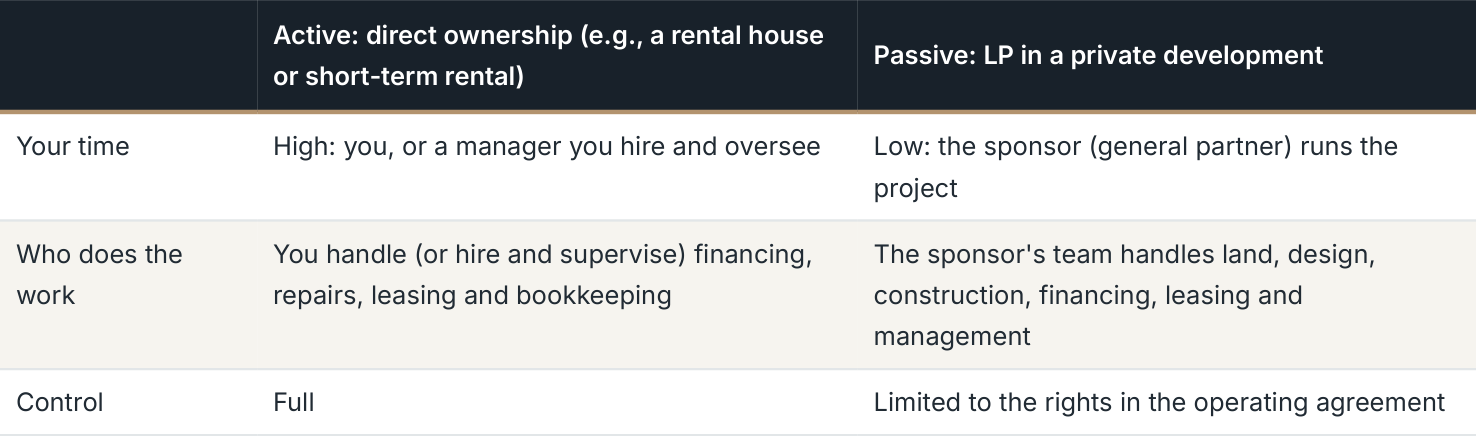
Table Summary and Key Values
| Active: direct ownership (e.g., a rental house or short-term rental) | Passive: LP in a private development | |
|---|---|---|
| Your time | High: you, or a manager you hire and oversee | Low: the sponsor (general partner) runs the project |
| Who does the work | You handle (or hire and supervise) financing, repairs, leasing and bookkeeping | The sponsor's team handles land, design, construction, financing, leasing and management |
| Control | Full | Limited to the rights in the operating agreement |
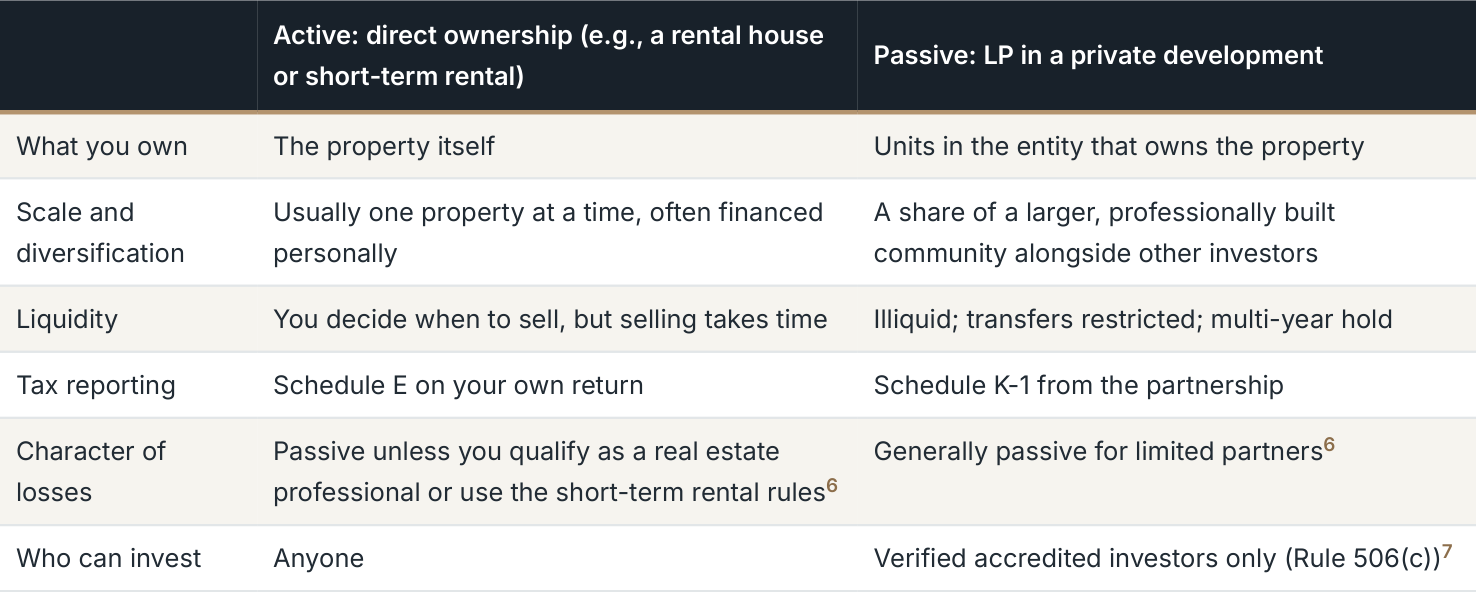
Table Summary and Key Values
| Active: direct ownership (e.g., a rental house or short-term rental) | Passive: LP in a private development | |
|---|---|---|
| What you own | The property itself | Units in the entity that owns the property |
| Scale and diversification | Usually one property at a time, often financed personally | A share of a larger, professionally built community alongside other investors |
| Liquidity | You decide when to sell, but selling takes time | Illiquid; transfers restricted; multi-year hold |
| Tax reporting | Schedule E on your own return | Schedule K-1 from the partnership |
| Character of losses | Passive unless you qualify as a real estate professional or use the short-term rental rules6 | Generally passive for limited partners6 |
| Who can invest | Anyone | Verified accredited investors only (Rule 506(c))7 |
Neither approach is "best," and many physician investors do both. The rest of this guide focuses on the passive column: investing as an LP in a professionally sponsored development, where the sponsor's team does the work and you keep your time for medicine.
3. What you actually own as an LP
BOTTOM LINE You own units in a single-purpose entity that owns the property; the sponsor makes the day-to-day decisions, and your rights, economics and reporting are spelled out in the operating agreement.
The entity. A typical development is held by a single-purpose limited partnership or LLC that owns one property. Investors buy limited partner or member units. The sponsor (general partner or manager) runs the business, signs the construction loan and contracts, and reports to investors.
LP common equity is the first capital at risk if a project struggles
Limited liability, limited control. As a limited partner, your risk is generally limited to the capital you invest, and you don't run the business. Major decisions and any investor approval rights are defined in the operating agreement.
The capital stack. Most projects combine a senior construction loan with equity, and sometimes preferred equity. Lenders and any preferred equity are paid before common equity, so LP common equity is the first capital at risk if a project struggles, and it also participates in the upside if a project succeeds. Ask the sponsor to walk you through every layer of the stack and who is paid in what order.
Economics. How cash flow and sale proceeds are split between investors and the sponsor (the "waterfall"), and all fees, are disclosed in the private placement memorandum (PPM) and operating agreement. Read them, or have your attorney read them.
Reporting. Expect periodic investor updates (construction progress, leasing, financials) and an annual Schedule K-1 reporting your share of the partnership's income, losses and deductions.8
Restricted securities. Interests sold in a Rule 506(c) offering are "restricted securities" and can't be freely resold.7 Plan to hold for the life of the project.
4. The development lifecycle, from dirt to exit
BOTTOM LINE A development deal moves through six stages over several years; your capital is most at risk early, and depreciation and any cash flow arrive only after units are placed in service and leased.
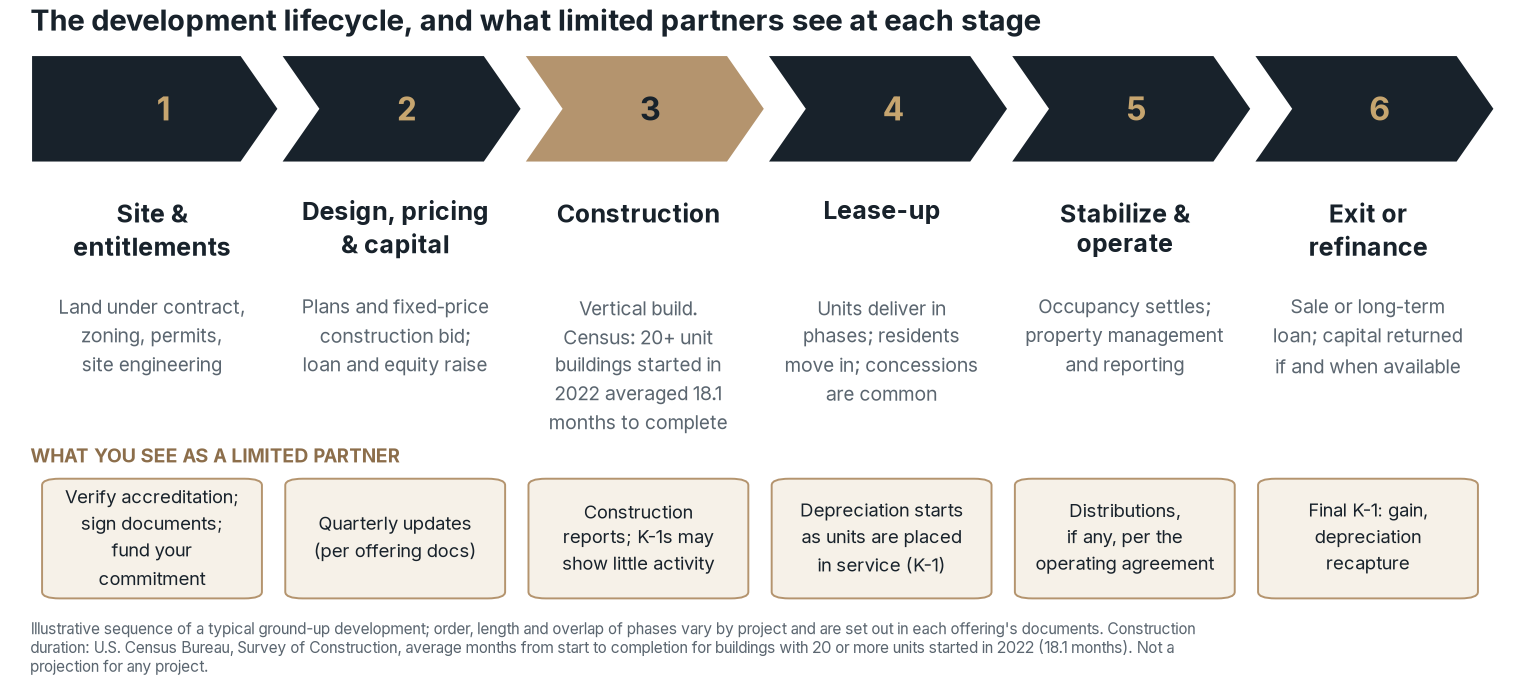
Chart Summary and Key Values
The six stages are site and entitlements; design, pricing and capital; construction; lease-up; stabilization and operations; and exit or refinance. The chart cites an 18.1-month average construction duration for buildings with 20 or more units started in 2022, not a commitment for this project. Limited partners receive verification and offering documents, updates, construction reports, tax reporting, distributions when available and final reporting at the relevant stages.
The six stages of a typical ground-up development. Construction duration: U.S. Census Bureau.9
1. Site and entitlements. The sponsor controls a site, studies the market and works through zoning, platting, utilities and permits. Many deals die here, which is a good thing: disciplined sponsors walk away from sites that don't work.
2. Design, pricing and capital. Plans are finalized and priced. This is where construction risk is first managed: a fixed-price construction contract shifts the risk of cost overruns to the builder. When the builder is an
affiliate of the sponsor, that risk moves to the sponsor's affiliate, not to an unrelated company, so ask how the price is set and checked; common practice is to build it from competitive third-party subcontractor bids and have the construction lender's independent cost consultant review the budget. An in-house builder's incentives can be tied to the development's budget, schedule and quality, because the same organization owns the result. Good sponsors, like Ascendant, align the incentives of their construction company with the goals of the development project. The construction loan and the equity raise close, and a fully funded interest reserve is set aside to pay loan interest until the property earns enough to cover it.
3. Construction. Census data show U.S. buildings with 20 or more units started in 2022 took an average of 18.1 months from start to completion; buildings with 5 to 9 units took 15.5 months.9 BTR communities are often built and delivered in phases.
4. Lease-up. Units open to residents in phases. Concessions are common in competitive markets, and the speed of lease-up determines how long the interest reserve must last.
5. Stabilize and operate. Occupancy settles, operations are tuned and the property begins to produce steady cash flow. Distributions, if any, follow the operating agreement.
6. Exit or refinance. The sponsor sells the property or replaces the construction loan with long-term debt. Timing depends on market conditions; a sponsor with the flexibility to refinance and hold doesn't have to sell into a weak market.
Why development instead of buying an existing property?
Development lets investors own a brand-new asset built to today's
18.1 mo.
standards at today's cost. When few new projects are starting, a project that breaks ground now may deliver into a market with less new
average start-to-completion time, U.S. buildings of 20+ units started in 2022 (Census)9
competition. In Houston, for example, Newmark projects 2026 apartment starts about 60% below their 2022 peak.10 Our view as a developer is that over time, values of newer properties move back toward what it costs to build them, because new construction only pencils when values support replacement cost. That is an outlook, not a guarantee. The trade-off is execution risk: construction cost, schedule, interest rates and lease-up all have to go right, which is why a sponsor's construction capability and reserves matter so much.
The developer's view: equity built in at the start. In an acquisition, the buyer by definition pays fair market value, so any value above the going-in price has to be created after closing, through renovations, better management or higher rents. Development works differently. A disciplined developer starts a project only when the all-in cost to build it is below what the finished property is expected to be worth at fair market value once it is leased and stabilized. When that holds, the gap between cost and as-stabilized value is equity built into the project from day one, something an acquisition at market value doesn't offer. It is not guaranteed: it depends on building on budget and on schedule, leasing at underwritten rents and values holding through the exit, which is why execution matters so much.
Liquidity and hold period
Plan on your capital being committed for the full life of the project. Construction, lease-up and stabilization come before a sale or refinance, so development holds generally run several years, and the expected hold for any offering is set out in its documents. There is no public market for LP interests, which are restricted
securities,7 and operating agreements commonly limit transfers. Distributions, if any, typically don't begin until the property is generating cash flow. Treat development capital as long-term money you won't need for a practice buy-in, a home or tuition.
5. Rule 506(c) and accredited-investor verification
BOTTOM LINE Rule 506(c) lets sponsors advertise an offering, but only verified accredited investors can invest, so expect to document your income or net worth, or provide a letter from your CPA or attorney.
Who is an accredited investor?
For individuals, the two most common tests under SEC Rule 501(a) are:11
$200,000
Income: more than $200,000 individually, or more than $300,000
individual income test for accredited investors ($300,000 joint)11
jointly with a spouse or spousal equivalent, in each of the two most recent years, with a reasonable expectation of the same this year.
Net worth: more than $1,000,000, individually or jointly, excluding your primary residence (and, generally, the mortgage on it up to the home's value).
Many attending physicians qualify on income alone. Residents, fellows and early-career doctors may not yet meet either test.
What "verified" means under Rule 506(c)
Rule 506(c) permits general solicitation, such as advertising, as long as all purchasers are accredited and the issuer takes reasonable steps to verify it.7 The rule lists non-exclusive methods an issuer may use:12
Income: reviewing IRS forms that report your income for the two most recent years (W-2, 1099, Schedule K-1 or Form 1040), plus your written representation about the current year.
Net worth: reviewing bank, brokerage and similar statements and a consumer credit report dated within the prior three months, plus your representation that all liabilities have been disclosed.
Third-party letter: a written confirmation, within the prior three months, from a registered broker-dealer, an SEC-registered investment adviser, a licensed attorney or a CPA that they have verified your status.
In a March 12, 2025 no-action letter, SEC staff also agreed that an issuer can treat verification as reasonable when a natural person invests at least $200,000 (or an entity at least $1,000,000), represents in writing that they are accredited and that the investment isn't financed by a third party for that purpose, and the issuer has no knowledge to the contrary.13 Sponsors choose which method to use. Either way, expect to provide documents through a secure portal.
Two other investor protections are worth knowing. A company relying on Rule 506 must file a notice on Form D with the SEC within 15 days after the first sale, which you can look up on the SEC's EDGAR system, and Rule 506 offerings are subject to "bad actor" disqualification rules.7,14
6. How to vet a sponsor
BOTTOM LINE In a passive investment you are mostly underwriting people: disciplined sponsors can show their full track record, explain exactly who builds the project and on what contract, and show reserves sized for things going wrong.
Think of sponsor diligence the way you'd think about referring a patient
Outcomes
to a surgeon: credentials matter, but you also want outcomes, including complications, and a clear plan for what happens if something goes
Ask for every project's results against plan, including the ones that missed
wrong. These are the questions we'd want answered if we were in your seat.
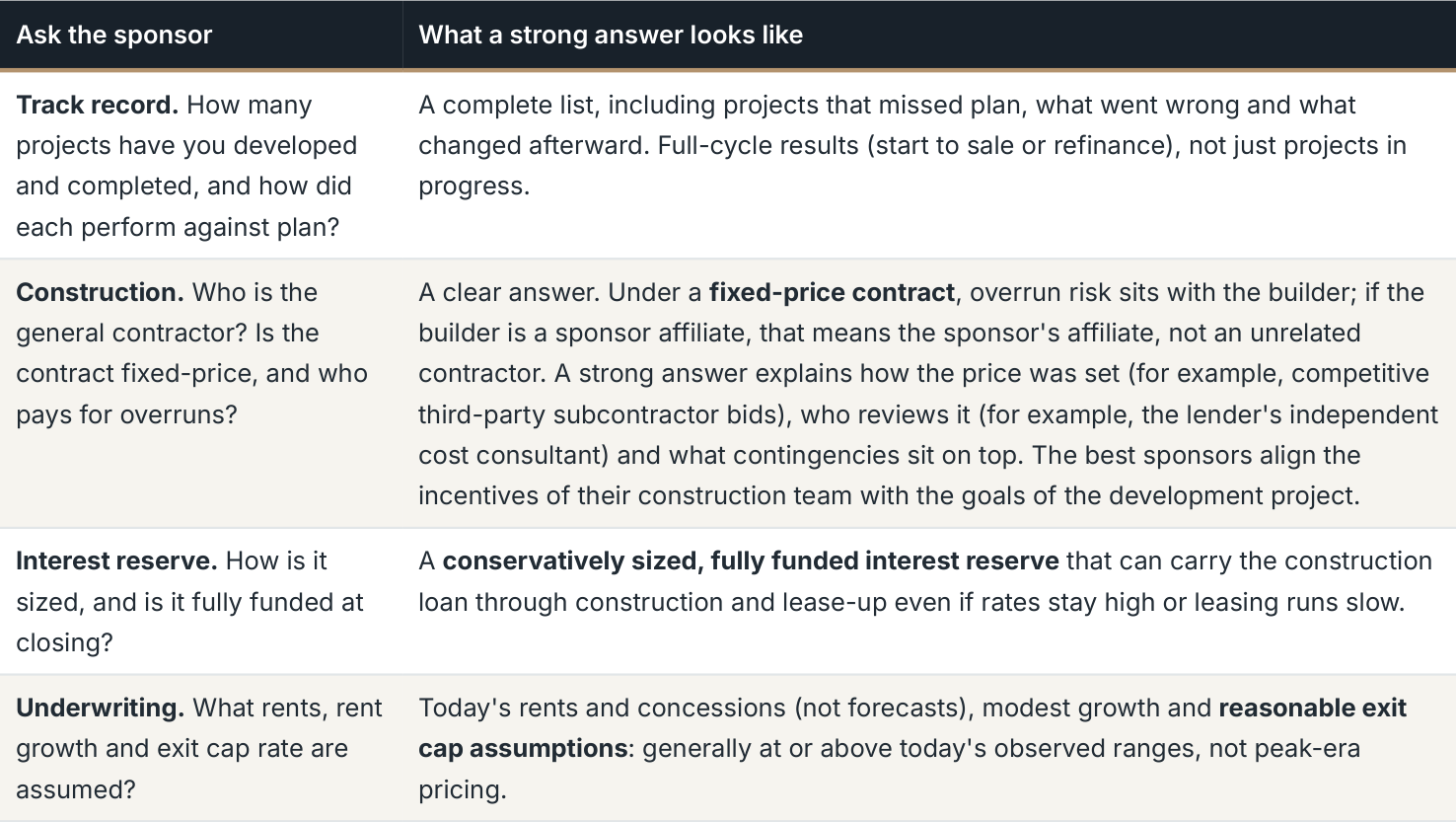
Table Summary and Key Values
| Ask the sponsor | What a strong answer looks like |
|---|---|
| Track record. How many projects have you developed and completed, and how did each perform against plan? | A complete list, including projects that missed plan, what went wrong and what changed afterward. Full-cycle results (start to sale or refinance), not just projects in progress. |
| Construction. Who is the general contractor? Is the contract fixed-price, and who pays for overruns? | A clear answer. Under a fixed-price contract, overrun risk sits with the builder; if the builder is a sponsor affiliate, that means the sponsor's affiliate, not an unrelated contractor. A strong answer explains how the price was set (for example, competitive third-party subcontractor bids), who reviews it (for example, the lender's independent cost consultant) and what contingencies sit on top. The best sponsors align the incentives of their construction team with the goals of the development project. |
| Interest reserve. How is it sized, and is it fully funded at closing? | A conservatively sized, fully funded interest reserve that can carry the construction loan through construction and lease-up even if rates stay high or leasing runs slow. |
| Underwriting. What rents, rent growth and exit cap rate are assumed? | Today's rents and concessions (not forecasts), modest growth and reasonable exit cap assumptions: generally at or above today's observed ranges, not peak-era pricing. |
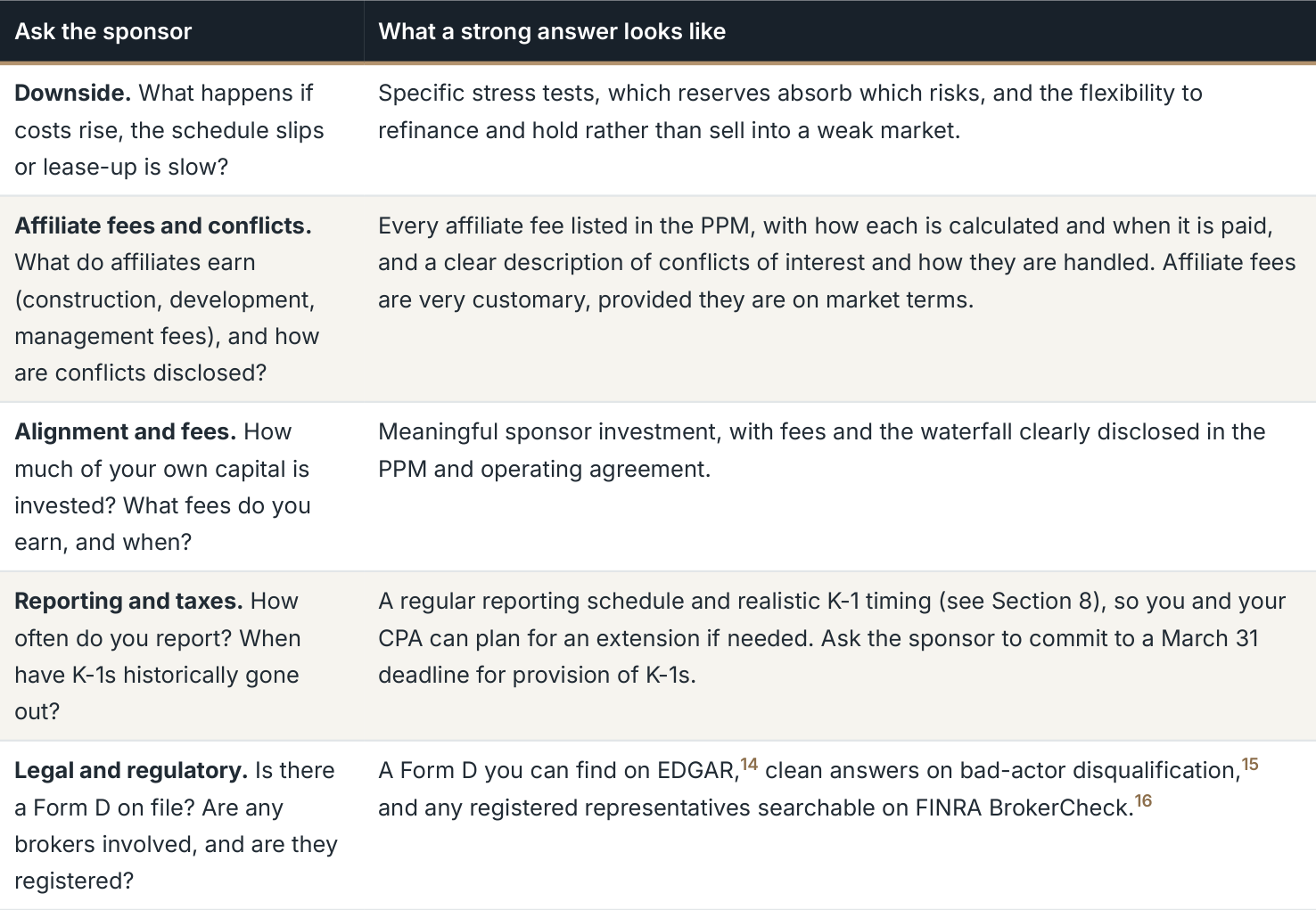
Table Summary and Key Values
| Ask the sponsor | What a strong answer looks like |
|---|---|
| Downside. What happens if costs rise, the schedule slips or lease-up is slow? | Specific stress tests, which reserves absorb which risks, and the flexibility to refinance and hold rather than sell into a weak market. |
| Affiliate fees and conflicts. What do affiliates earn (construction, development, management fees), and how are conflicts disclosed? | Every affiliate fee listed in the PPM, with how each is calculated and when it is paid, and a clear description of conflicts of interest and how they are handled. Affiliate fees are very customary, provided they are on market terms. |
| Alignment and fees. How much of your own capital is invested? What fees do you earn, and when? | Meaningful sponsor investment, with fees and the waterfall clearly disclosed in the PPM and operating agreement. |
| Reporting and taxes. How often do you report? When have K-1s historically gone out? | A regular reporting schedule and realistic K-1 timing (see Section 8), so you and your CPA can plan for an extension if needed. Ask the sponsor to commit to a March 31 deadline for provision of K-1s. |
| Legal and regulatory. Is there a Form D on file? Are any brokers involved, and are they registered? | A Form D you can find on EDGAR,14 clean answers on bad-actor disqualification,15 and any registered representatives searchable on FINRA BrokerCheck.16 |
Red flags. Pressure to commit quickly; "guaranteed" or "safe" returns; unwillingness to share the PPM, operating agreement or full track record; vague answers about who builds the project or how cost overruns are paid; and projections built on peak-era exit cap rates.
7. Risks, and how disciplined sponsors manage them
BOTTOM LINE Development has real risks, including cost, schedule, rates, lease-up, exit, liquidity and tax-law change; good sponsors don't eliminate them, they structure around them.
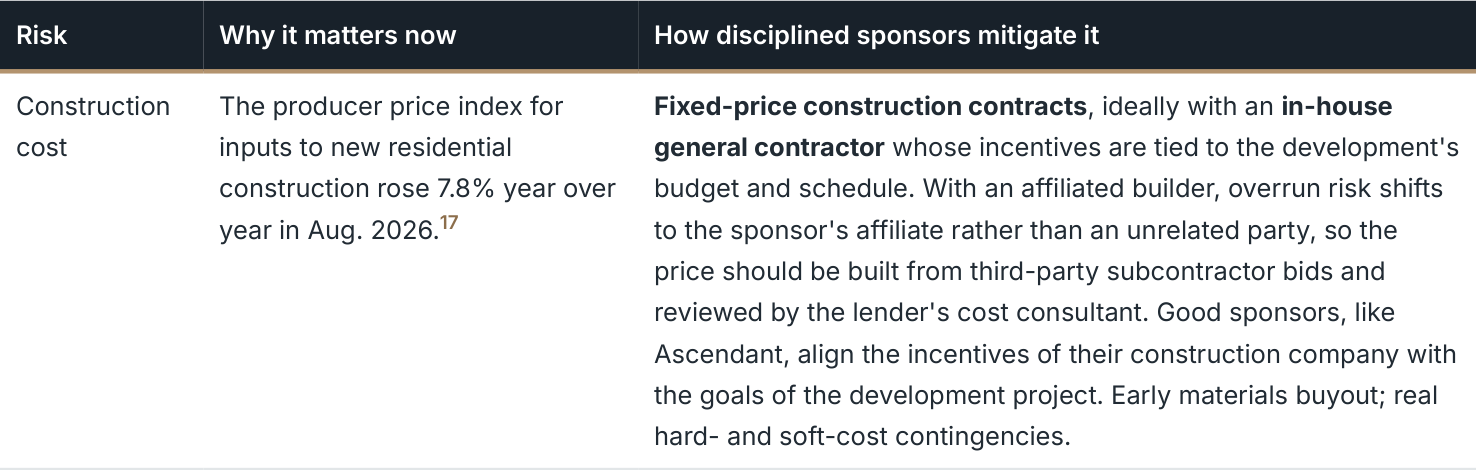
Table Summary and Key Values
| Risk | Why it matters now | How disciplined sponsors mitigate it |
|---|---|---|
| Construction cost | The producer price index for inputs to new residential construction rose 7.8% year over year in Aug. 2026.17 | Fixed-price construction contracts, ideally with an in-house general contractor whose incentives are tied to the development's budget and schedule. With an affiliated builder, overrun risk shifts to the sponsor's affiliate rather than an unrelated party, so the price should be built from third-party subcontractor bids and reviewed by the lender's cost consultant. Good sponsors, like Ascendant, align the incentives of their construction company with the goals of the development project. Early materials buyout; real hard- and soft-cost contingencies. |
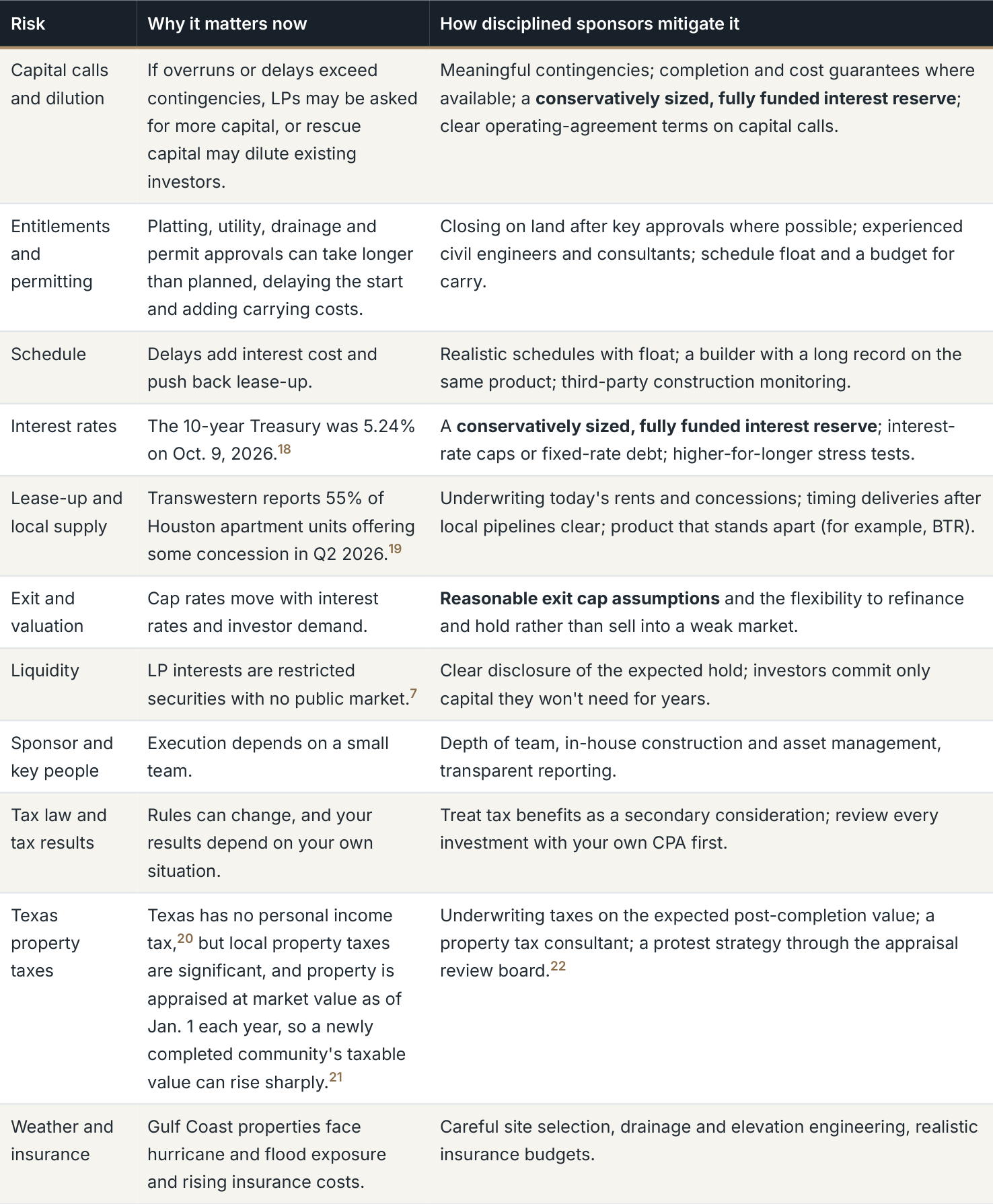
Table Summary and Key Values
| Risk | Why it matters now | How disciplined sponsors mitigate it |
|---|---|---|
| Capital calls and dilution | If overruns or delays exceed contingencies, LPs may be asked for more capital, or rescue capital may dilute existing investors. | Meaningful contingencies; completion and cost guarantees where available; a conservatively sized, fully funded interest reserve; clear operating-agreement terms on capital calls. |
| Entitlements and permitting | Platting, utility, drainage and permit approvals can take longer than planned, delaying the start and adding carrying costs. | Closing on land after key approvals where possible; experienced civil engineers and consultants; schedule float and a budget for carry. |
| Schedule | Delays add interest cost and push back lease-up. | Realistic schedules with float; a builder with a long record on the same product; third-party construction monitoring. |
| Interest rates | The 10-year Treasury was 5.24% on Oct. 9, 2026.18 | A conservatively sized, fully funded interest reserve; interest- rate caps or fixed-rate debt; higher-for-longer stress tests. |
| Lease-up and local supply | Transwestern reports 55% of Houston apartment units offering some concession in Q2 2026.19 | Underwriting today's rents and concessions; timing deliveries after local pipelines clear; product that stands apart (for example, BTR). |
| Exit and valuation | Cap rates move with interest rates and investor demand. | Reasonable exit cap assumptions and the flexibility to refinance and hold rather than sell into a weak market. |
| Liquidity | LP interests are restricted securities with no public market.7 | Clear disclosure of the expected hold; investors commit only capital they won't need for years. |
| Sponsor and key people | Execution depends on a small team. | Depth of team, in-house construction and asset management, transparent reporting. |
| Tax law and tax results | Rules can change, and your results depend on your own situation. | Treat tax benefits as a secondary consideration; review every investment with your own CPA first. |
| Texas property taxes | Texas has no personal income tax,20 but local property taxes are significant, and property is appraised at market value as of Jan. 1 each year, so a newly completed community's taxable value can rise sharply.21 | Underwriting taxes on the expected post-completion value; a property tax consultant; a protest strategy through the appraisal review board.22 |
| Weather and insurance | Gulf Coast properties face hurricane and flood exposure and rising insurance costs. | Careful site selection, drainage and elevation engineering, realistic insurance budgets. |
8. Taxes: what physicians need to know
BOTTOM LINE Development can produce large depreciation deductions once units are placed in service, but for most full-time physicians those losses are passive: they offset passive income and carry forward rather than reducing taxes on W-2 income.
General education only, not tax advice. Tax outcomes depend on each
$512,000
investor's situation and can change with new law and guidance. Consult your own CPA or tax advisor before investing.
2026 excess business loss threshold for joint filers ($256,000 others)23
Depreciation basics
Residential rental buildings are depreciated straight-line over 27.5 years,
27.5 yrs
and land is not depreciable.24 Depreciation starts when property is placed in service, so in a development deal it generally begins as units
straight-line recovery period for residential rental buildings24
or buildings are completed and ready to rent, not during construction. In a partnership, your share flows to you on Schedule K-1.
The 2025 law: 100% bonus depreciation is now permanent
The One, Big, Beautiful Bill Act (OBBBA, Public Law 119-21, signed July 4, 2025) amended Section 168(k) to provide a permanent 100% additional first-year (bonus) depreciation deduction for qualified property acquired after January 19, 2025, replacing the scheduled phase-down (40% for most property placed in service in 2025 under prior law).4 The IRS issued interim guidance in Notice 2026-11 in January 2026.25 Three points matter for development investors:
The building itself doesn't qualify. Bonus depreciation applies to property with a recovery period of 20 years or less, such as 5- and 7-year personal property and 15-year land improvements, not to the 27.5-year building.24
Self-constructed property. For property a taxpayer builds, the acquisition date generally turns on when physical work of a significant nature begins, under the IRS rules summarized in Notice 2026-11.4 Ask the sponsor and your CPA how this applies to a specific project.
Transition election. Taxpayers may elect 40% (60% for certain longer-production property) instead of 100% for property placed in service in the first taxable year ending after January 19, 2025.4
Cost segregation
A cost segregation study is an engineering-based analysis that separates a project's costs into the building (27.5-year property) and shorter-lived components, such as certain fixtures, finishes and site improvements. The IRS's audit guide explains that the incentive for these studies is the benefit of shorter recovery periods and accelerated methods, including bonus depreciation, and describes what a quality study looks like.26 Combined with 100% bonus depreciation, cost segregation can create large deductions in the year units are placed in service, often larger than that year's income from the property. Whether those losses help you depends on the passive activity rules.
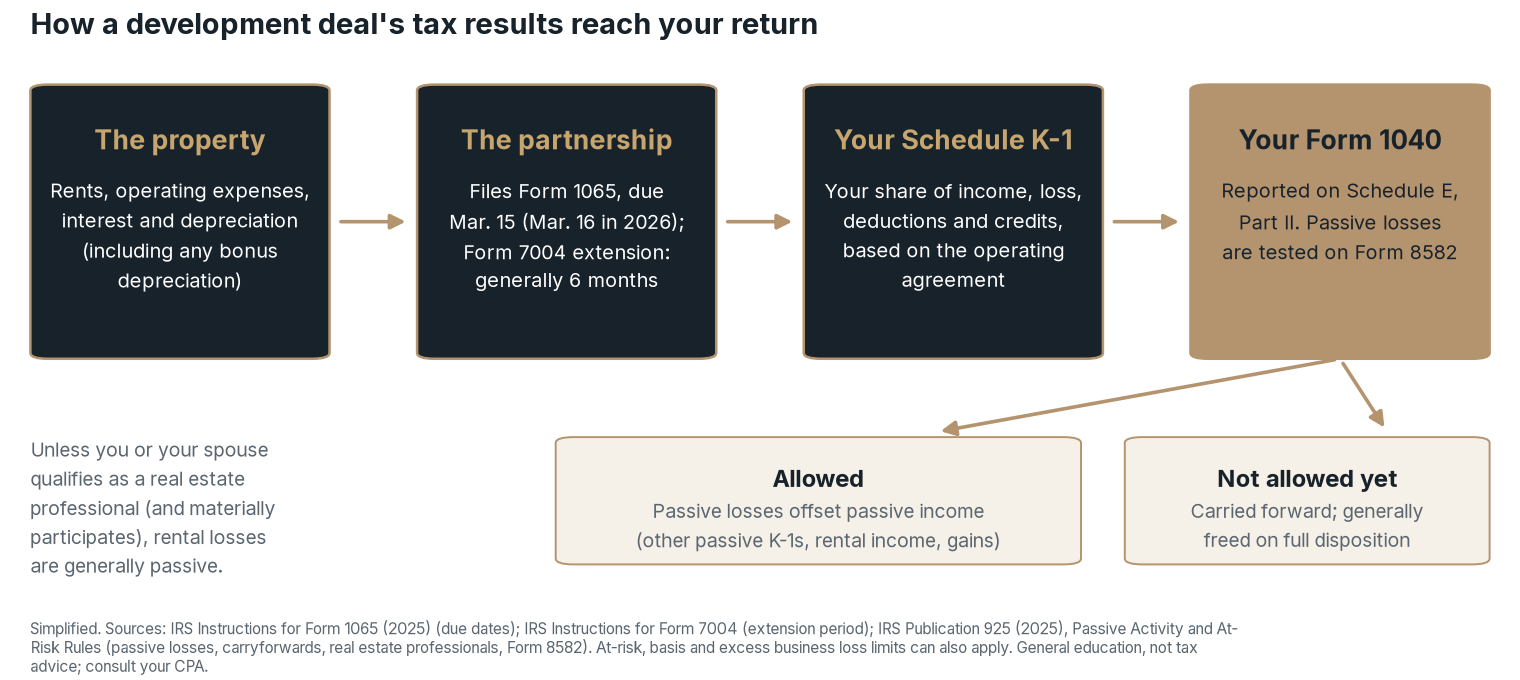
Chart Summary and Key Values
Tax results flow from the property to the partnership, then to the investor's Schedule K-1 and Form 1040. The partnership files Form 1065 and may request an extension using Form 7004. Passive losses generally offset passive income; losses not currently allowed carry forward, subject to the exceptions and limitations explained in the report.
How a development partnership's tax results reach an investor's return (simplified).6,8,27
Passive activity rules: the rule that matters most
Passive losses offset passive income. Rental activities are generally passive, and a limited partner generally isn't treated as materially participating. Passive losses can offset passive income, such as income from other passive K-1s, rental income and gains on passive investments, but generally not wages or practice income.6
Carried forward, not lost. Disallowed passive losses carry forward to future years, and suspended losses are generally freed when you dispose of your entire interest in the activity in a fully taxable transaction.6
The $25,000 allowance usually doesn't help physicians. The special allowance for owners who actively participate in rentals phases out as modified AGI rises above $100,000 and is gone at $150,000.6
Other limits. At-risk and basis limits can apply, as can the excess business loss limit on non-passive business losses ($313,000, or $626,000 joint, for 2025; $256,000, or $512,000 joint, for 2026 after the 2025 law).23,28 Losses above the limit carry forward as a net operating loss.28
One bridge to the next section: depreciation and K-1 losses benefit only investments held in taxable accounts. When an IRA holds the interest, its losses don't pass through to your personal return (see Section 9).
Real estate professional status (REPS), and the spouse strategy
Rental losses can be non-passive if you qualify as a real estate professional and materially participate. To qualify, more than half of the personal services you perform in all trades or businesses during the year must be in real property trades or businesses in which you materially participate, and you must perform more than 750 hours of such services.6 A full-time physician almost never meets the "more than half" test.
That's why some physician households look at a spouse-REPS approach. On a joint return, one spouse must separately meet both REPS tests; you can't add your spouse's hours to yours. But in deciding whether the qualifying spouse materially participates in a rental activity, you can count both spouses' participation.6 The caveat for LPs: a limited partner generally is not treated as materially participating unless they meet one of three specific tests, such as more than 500 hours in the activity during the year.6 So even with a REPS spouse,
losses from a passive LP interest may remain passive. REPS planning tends to fit households that own and operate real estate directly, it is fact-intensive and it draws IRS scrutiny. Work through it with your CPA.
Optional note: short-term rentals
An activity in which the average period of customer use is seven days or less isn't treated as a rental activity under the passive rules,6 so an owner who materially participates in a short-term rental may be able to treat its losses as non-passive. That applies to property you own and operate yourself, not to an LP interest in a multifamily development, and it takes real hours and careful records.
When the property is sold
At sale, depreciation is partly recaptured. Gain attributable to depreciation on Section 1245 property (such as components identified in a cost segregation study) is generally treated as ordinary income,29 and unrecaptured Section 1250 gain on real property is taxed at a maximum rate of 25%. Remaining long-term gain is generally taxed at 0%, 15% or 20%.30 The 3.8% NIIT can also apply.5 Suspended passive losses released at sale can offset these gains. Ask your CPA to model the full holding period, not just year one.
K-1 timing and extensions
Calendar-year partnerships file Form 1065 by March 15 (March 16, 2026 for the 2025 year) and can extend with Form 7004, generally for six months.8,27 Development partnerships often need final construction and cost segregation numbers before issuing K-1s, so many investors plan to extend their personal returns. Filing Form 4868, or paying electronically and indicating an extension, gives individuals until October 15 to file, but an extension to file is not an extension to pay: estimate and pay any tax due by the April deadline.31
State taxes
Your resident state generally taxes your income from all sources, and you may also have filing obligations in the state where a property is located. Texas does not have a personal income tax,20 which simplifies the picture for Texas properties and Texas residents. States don't always follow federal depreciation rules: California, for example, does not conform to federal bonus depreciation, so California residents generally compute state depreciation differently.32 Ask your CPA how your state treats bonus depreciation and passive losses.
9. Investing through retirement accounts, and the Roth
conversion strategy
BOTTOM LINE Some investors hold development interests in a self-directed IRA and convert to a Roth before value is created. It can be powerful, but it depends on a defensible independent valuation, and construction debt, UBTI and distribution rules change the math.
General education only, not tax, legal or investment advice. These rules
$1,000
are technical and fact-specific; work through them with your CPA and, where noted, tax counsel before you invest.
gross unrelated business income that triggers an IRA's Form 990-T filing33
How IRA investing in a private deal works
A self-directed IRA is required. Most brokerage IRAs can't hold a private LP interest. A self-directed IRA uses a trustee or custodian that is a bank or another entity approved by the IRS to act in that role,34 holds the asset in the IRA's name and reports a year-end value. The custodian generally relies on valuations supplied to it; it does not set the value of the investment.
The IRA, not you, is the investor. The subscription documents, K-1 and any distributions belong to the IRA. Prohibited-transaction rules under Internal Revenue Code Section 4975 bar dealings between the IRA and "disqualified persons," including you and close family members: for example, borrowing from the IRA, using it as security for a loan (so no personal guarantees tied to the IRA's investment) or using IRA property personally.35,36 A prohibited transaction can cause the account to stop being an IRA, with its assets treated as distributed.35
Costs and eligible accounts. Self-directed custodians charge setup, annual and transaction fees. Employer plans such as 401(k), 403(b) and 457(b) plans generally can't invest directly in a private offering, and moving money from them into a self-directed IRA usually depends on the plan's distribution rules, which often require separation from service. Check with your plan administrator.
The trade-off: depreciation stays inside the IRA
When an IRA owns the interest, the partnership's depreciation and
Permanent
losses are reported to the IRA, not to you. The Section 8 benefits, including bonus depreciation, cost segregation and passive losses that
Roth conversions made after 2017 can't be recharacterized34
can offset your other passive income, generally don't reach your personal return. For many physicians the choice is between a taxable account (current deductions, taxable gains later) and a retirement account (no current deductions, potential tax deferral or, in a Roth, tax-free growth if distribution rules are met).
UBTI and debt-financed income
Retirement accounts are generally exempt from tax, but not on everything. Because development projects use construction debt, the IRA's share of income and gain attributable to that debt is generally unrelated business taxable income (UBTI) under the debt-financed property rules of Sections 511 through 514.33,37 An IRA with $1,000 or more of gross unrelated business income must file Form 990-T, and the tax is figured at trust rates and paid from the IRA, not by you.33 Certain qualified plans under Section 401(a), which can include a solo 401(k), may qualify for an exception for real property debt under Section 514(c)(9), subject to conditions; IRAs do not qualify for that exception.33,37 Ask tax counsel whether any exception applies to your account.
The Roth conversion strategy
A Roth conversion moves assets from a traditional IRA to a Roth IRA. The converted amount, measured at its fair market value on the date of conversion, is included in your taxable income for that year (less any nondeductible basis).34,38 For a private LP interest, a qualified independent appraiser values the IRA's interest. An appraisal may reflect the interest's lack of marketability, lack of control and the risk of a project that hasn't been built yet, and it can come in below the amount invested. Converting before value is created means paying tax on that appraised value; future growth inside the Roth can then be tax-free if the distribution rules below are met.
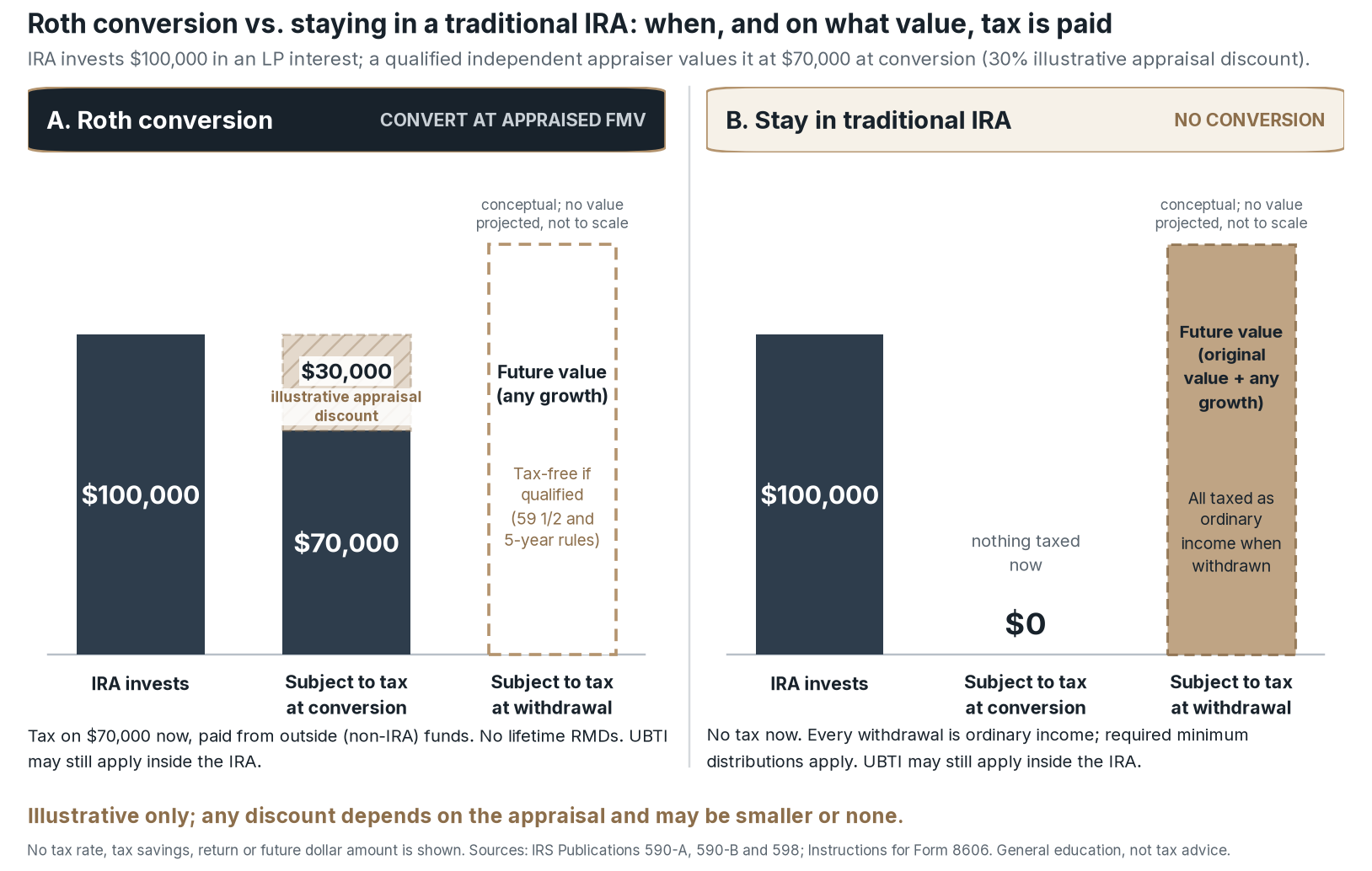
Chart Summary and Key Values
Illustration: an IRA invests $100,000 in an LP interest. An independent appraisal values the interest at $70,000 at conversion, a $30,000 illustrative discount. A Roth conversion is taxed on the $70,000 appraised value, subject to the stated rules; qualified future Roth withdrawals may be tax-free. Without conversion, tax at conversion is $0, but future traditional IRA withdrawals are generally ordinary income. The discount is not assured, and UBIT may still apply inside either IRA.
Roth conversion (A) vs. staying in a traditional IRA (B): what is subject to tax, and when. $100,000 invested; $70,000 appraised fair market value at conversion; $30,000 illustrative appraisal discount. Future-value blocks are conceptual, with no value projected.
Illustrative only; any discount depends on the appraisal and may be smaller or none.33,34,35,38
The illustration. If an IRA paid $100,000 for an LP interest and an independent appraisal values it at $70,000 at conversion, $70,000 is included in taxable income instead of $100,000. Illustrative only; any discount depends on the appraisal and may be smaller or none.
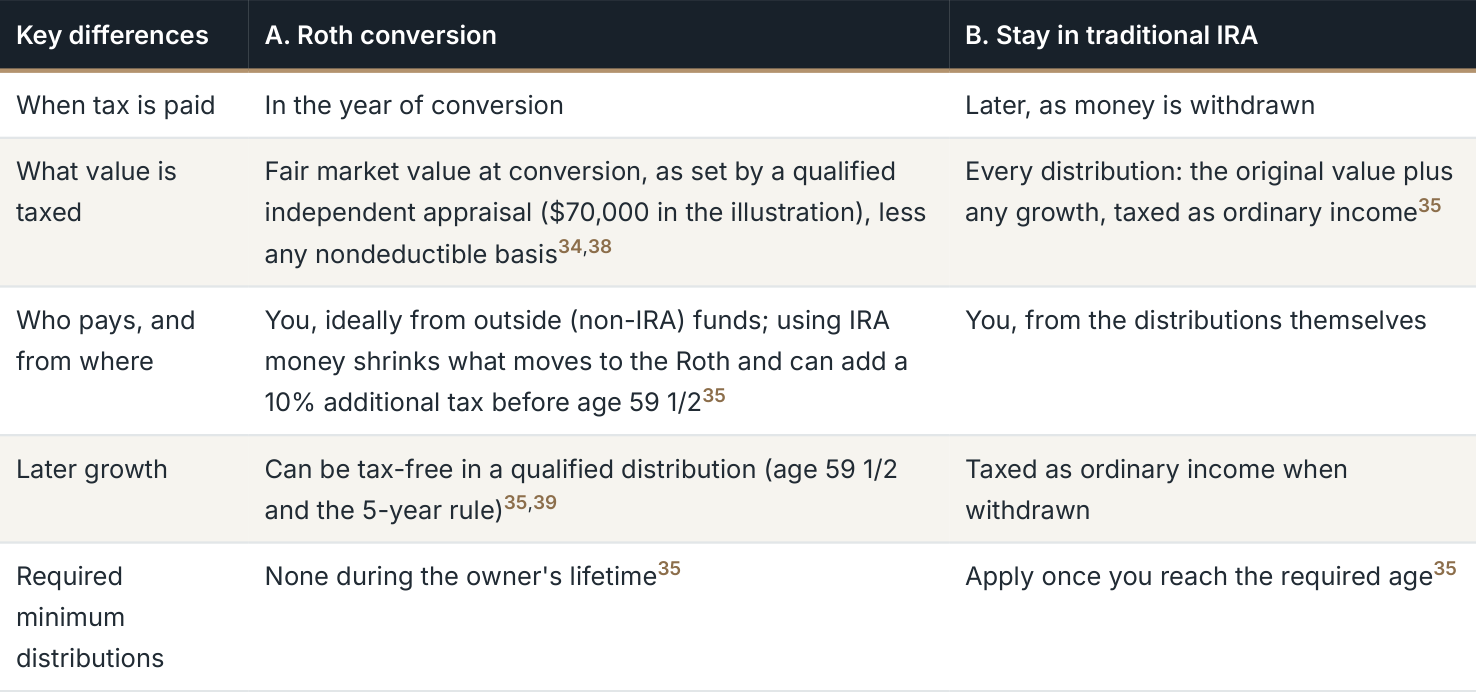
Table Summary and Key Values
| Key differences | A. Roth conversion | B. Stay in traditional IRA |
|---|---|---|
| When tax is paid | In the year of conversion | Later, as money is withdrawn |
| What value is taxed | Fair market value at conversion, as set by a qualified independent appraisal ($70,000 in the illustration), less any nondeductible basis34,38 | Every distribution: the original value plus any growth, taxed as ordinary income35 |
| Who pays, and from where | You, ideally from outside (non-IRA) funds; using IRA money shrinks what moves to the Roth and can add a 10% additional tax before age 59 1/235 | You, from the distributions themselves |
| Later growth | Can be tax-free in a qualified distribution (age 59 1/2 and the 5-year rule)35,39 | Taxed as ordinary income when withdrawn |
| Required minimum distributions | None during the owner's lifetime35 | Apply once you reach the required age35 |
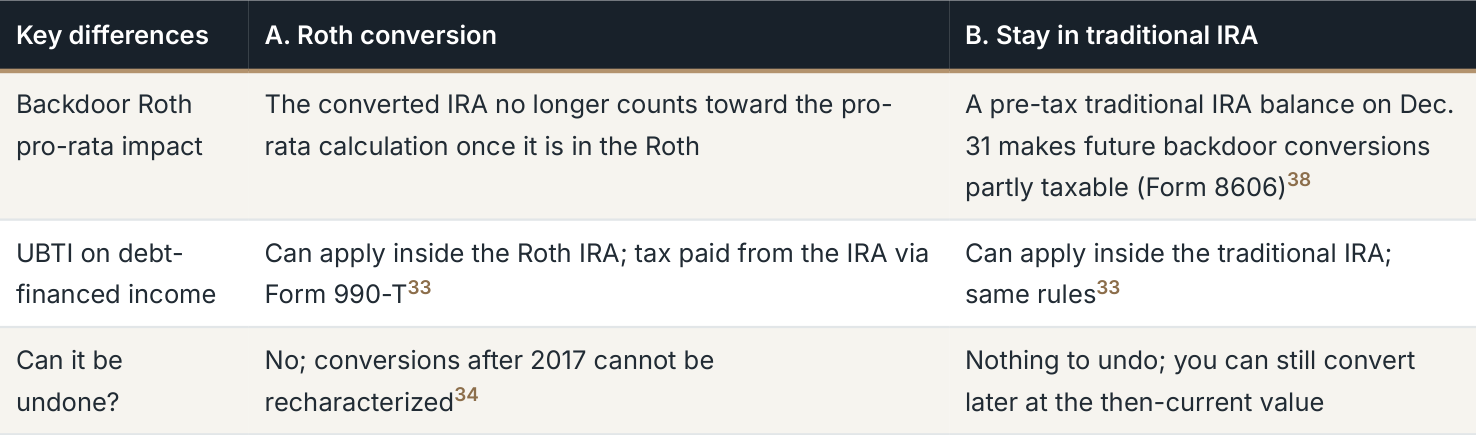
Table Summary and Key Values
| Key differences | A. Roth conversion | B. Stay in traditional IRA |
|---|---|---|
| Backdoor Roth pro-rata impact | The converted IRA no longer counts toward the pro- rata calculation once it is in the Roth | A pre-tax traditional IRA balance on Dec. 31 makes future backdoor conversions partly taxable (Form 8606)38 |
| UBTI on debt- financed income | Can apply inside the Roth IRA; tax paid from the IRA via Form 990-T33 | Can apply inside the traditional IRA; same rules33 |
| Can it be undone? | No; conversions after 2017 cannot be recharacterized34 | Nothing to undo; you can still convert later at the then-current value |
Caveats. The value must be a bona fide fair market value supported by a qualified, independent appraisal. A sponsor does not set, promise or guarantee any valuation discount. The IRS can challenge a valuation, and substantial valuation misstatements can trigger accuracy-related penalties under Section 6662.40 Some appraisals will show little or no discount.
Rules that shape the math
Pay the tax from outside the IRA. Using IRA money to pay the conversion tax shrinks what moves to the Roth, and withdrawals before age 59 1/2 can add a 10% additional tax.35
Conversions are permanent. A conversion made in a tax year beginning after Dec. 31, 2017 can't be recharacterized (undone).34
Qualified distributions. Roth earnings come out tax-free only in a qualified distribution, which generally requires that you be at least 59 1/2 (or disabled, or a beneficiary after death, or using up to $10,000 for a first home) and that the 5-year period has been met.35,39
No lifetime RMDs. Roth IRA owners aren't required to take minimum distributions during their lifetime.35
Watch the year's income. Conversion income raises your AGI. It can push income into the 37% bracket,3 add state income tax if your state has one, increase the 3.8% NIIT on your other investment income (IRA distributions, including conversions, aren't net investment income, but they count toward the AGI threshold that triggers the tax)5,35 and raise Medicare Part B and D premiums (IRMAA) two years later.41
The backdoor Roth trap
Many physicians make annual "backdoor" Roth contributions: a nondeductible traditional IRA contribution followed by a conversion. If you hold any pre-tax traditional, SEP or SIMPLE IRA balance on December 31 of the conversion year, part of that backdoor conversion becomes taxable under the pro-rata calculation on Form 8606.38 Funding a traditional IRA to make a private investment can therefore make future backdoor conversions partly taxable. Plan this with your CPA before you open or fund the account.
QUESTIONS TO ASK YOUR CPA
Bring these to your CPA before you invest, along with the offering's tax disclosures. They cover Sections 8 and 9:
Given our household's income and activities, will losses from this K-1 be passive for us? Does either of us qualify, or could reasonably qualify, as a real estate professional?
Do we have passive income today (other K-1s, rentals, passive gains) that these losses could offset? What suspended passive losses do we already carry?
If my spouse is considering REPS, what hours and records would be needed, and does it change anything for a limited partner interest?
How do at-risk, basis and excess business loss limits apply to us?
How does our state treat federal bonus depreciation and passive losses? Will I need to file in another state?
Should we plan to extend our return each year, and how should we handle estimated payments while we wait for K-1s?
What happens at sale: depreciation recapture, unrecaptured Section 1250 gain, NIIT and the release of suspended losses?
Is a self-directed IRA appropriate for us, and which of our accounts are eligible?
How much UBTI might this generate, and who files the Form 990-T?
Does a Roth conversion fit our bracket this year, and how will we pay the tax from outside funds?
Does a traditional IRA balance interfere with our backdoor Roth contributions?
General education, not tax advice. Based on IRS Publications 925, 946, 544, 590-A, 590-B and 598; Form 8606 instructions; IRS Topics 409 and 559; IRS Notice 2026-11; and California FTB Publication 1001.
10. Why multifamily and build-to-rent, and why Houston
BOTTOM LINE Renting costs far less than owning in Houston today, build-to-rent communities serve households who want space without buying, and Houston leads the nation in population growth while its new-apartment pipeline shrinks.
Why multifamily
Owning has become expensive relative to renting. Newmark puts the
$3,603
average monthly mortgage payment in Houston, including principal, interest, taxes and insurance, at $3,603, more than double the average
average monthly mortgage payment (PITI) in Houston, vs. $1,709 average Class A rent (Newmark)10
Class A apartment rent of $1,709, and it describes that gap as close to its widest point in recent history.10 With 30-year mortgage rates around 7.40%,42 many would-be buyers are renting longer, and newer, well- located apartment communities are where much of that demand lands.
Why build-to-rent
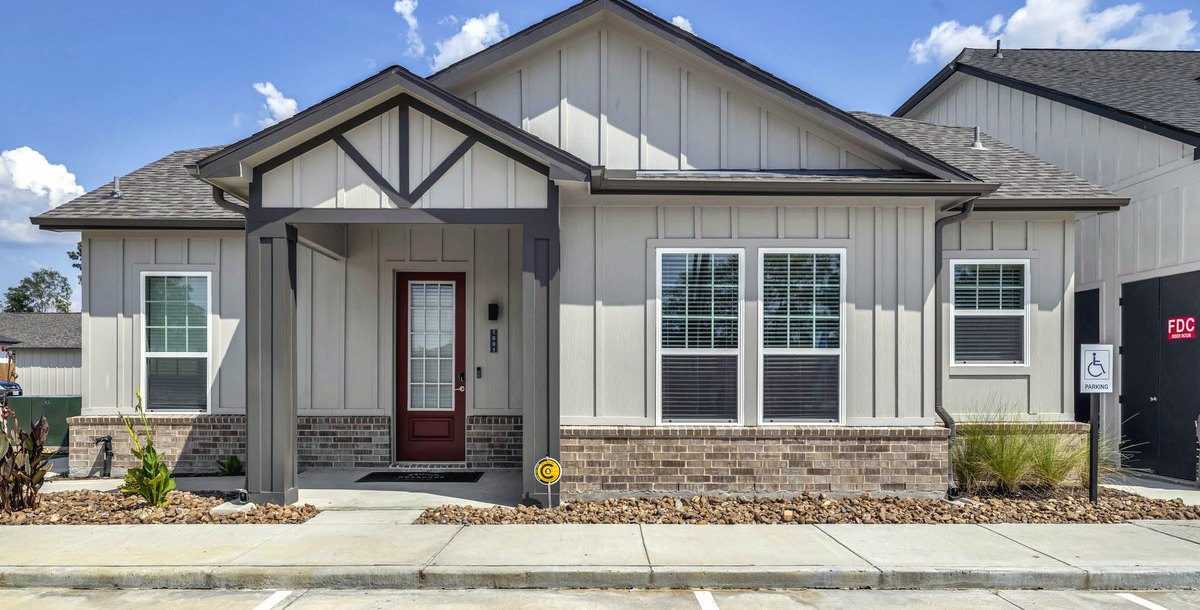
Build-to-rent (BTR) communities are new single-family-style rental units built specifically to lease, with professional management and shared amenities. They appeal to households who want more space, a yard or a garage without buying. Nationally, built-for-rent units made up about 7% of single-family starts in Q2 2026, compared with a historical average of 2.7%, according to NAHB.43
Why Houston
People. The Houston metro added 126,720 residents from July 2024 to July 2025, the largest numeric gain of any U.S. metro.44
Medicine. The Texas Medical Center reports more than 120,000 employees and 10 million patient encounters a year,45 and the Greater Houston Partnership expects health care and social assistance to drive nearly half of the region's forecast 2026 job growth.46
The northeast suburbs. In Kingwood's 77345 ZIP code, median household income is $150,742 and only 14% of households rent (ACS 2020-2024),47 a profile of residents who could buy but may prefer the flexibility of renting a new unit.

Houston multifamily and BTR today
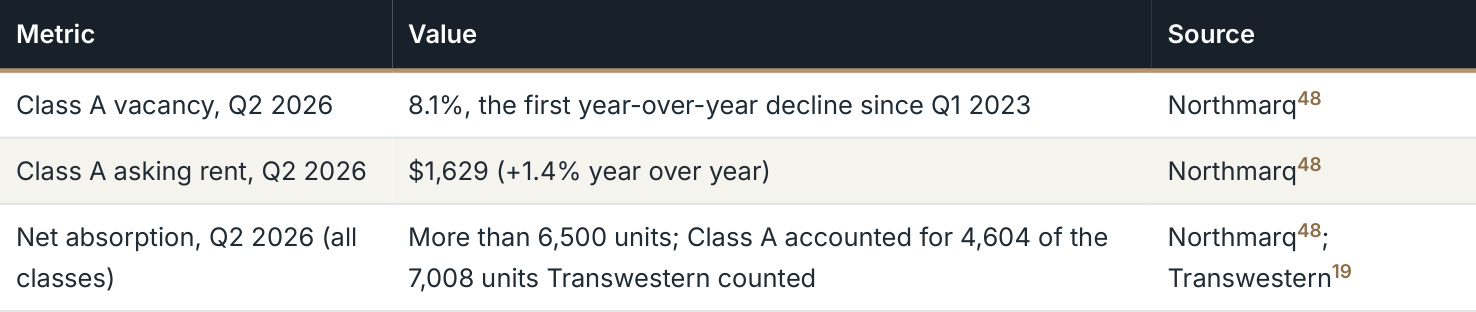
Table Summary and Key Values
| Metric | Value | Source |
|---|---|---|
| Class A vacancy, Q2 2026 | 8.1%, the first year-over-year decline since Q1 2023 | Northmarq48 |
| Class A asking rent, Q2 2026 | $1,629 (+1.4% year over year) | Northmarq48 |
| Net absorption, Q2 2026 (all classes) | More than 6,500 units; Class A accounted for 4,604 of the 7,008 units Transwestern counted | Northmarq48; Transwestern19 |
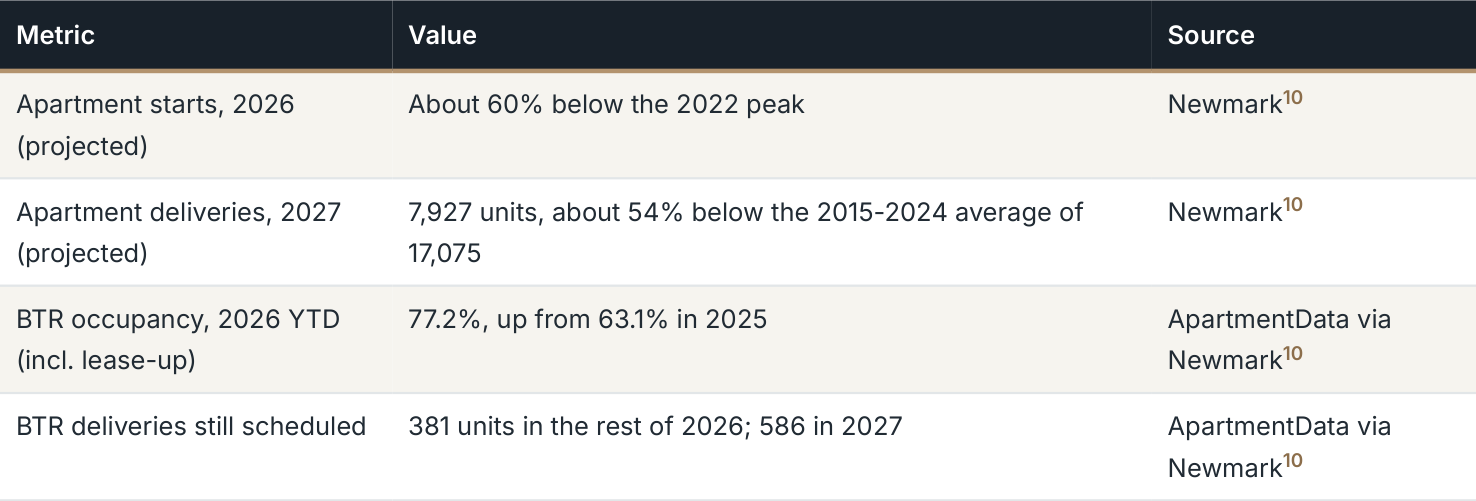
Table Summary and Key Values
| Metric | Value | Source |
|---|---|---|
| Apartment starts, 2026 (projected) | About 60% below the 2022 peak | Newmark10 |
| Apartment deliveries, 2027 (projected) | 7,927 units, about 54% below the 2015-2024 average of 17,075 | Newmark10 |
| BTR occupancy, 2026 YTD (incl. lease-up) | 77.2%, up from 63.1% in 2025 | ApartmentData via Newmark10 |
| BTR deliveries still scheduled | 381 units in the rest of 2026; 586 in 2027 | ApartmentData via Newmark10 |
The 77.2% BTR occupancy figure includes communities still leasing up, so it understates occupancy at stabilized communities; Newmark, which does not publish a separate stabilized BTR figure, says the segment is on track to reach 90% stabilization by December as new deliveries slow.10 Fewer new apartments and BTR units are on the way just as Class A vacancy has started to fall, the backdrop for projects that start now and deliver later. That is an outlook, not a guarantee.

About Ascendant Development
Ascendant Development is a vertically integrated real estate development and construction firm headquartered in Houston, Texas. According to the company, Ascendant and its principals have been involved in garden, mid-rise, high-rise and build-to-rent projects totaling more than 5,000 Class A multifamily units and more than $1 billion in total investment, including build-to-rent communities in the Kingwood area, Fresno and Tomball.
Important disclosures
This guide is provided for general informational and educational purposes only. It is not an offer to sell, or a solicitation of an offer to buy, any security, and it may not be relied upon in connection with any investment decision. Any offer will be made only to verified accredited investors through definitive offering documents (including a private placement memorandum, operating agreement and subscription agreement), which will contain important information about risks, fees and conflicts of interest.
Any offering referenced by the sponsor is expected to be made under Rule 506(c) of Regulation D. Investments are available only to accredited investors, as defined in Rule 501(a), whose status has been verified through reasonable steps. Securities offered under Regulation D are not registered with the SEC or any state securities regulator, and no regulator has approved or reviewed this material.
Nothing in this guide is tax, legal, accounting or investment advice, and reading it does not create an advisory or client relationship. Tax laws are complex and subject to change, IRS guidance on recent legislation is still developing, and the tax consequences of any investment depend on each investor's individual circumstances. Consult your own CPA, tax advisor and attorney before making any investment decision.
Real estate development investments are speculative, illiquid and involve a high degree of risk, including the possible loss of an investor's entire investment. Common equity is typically subordinate to senior debt and preferred equity. Past performance and market trends do not guarantee future results. Statements about future market conditions are forward-looking, based on third-party data and forecasts believed to be reliable but not independently verified, and actual results may differ materially.
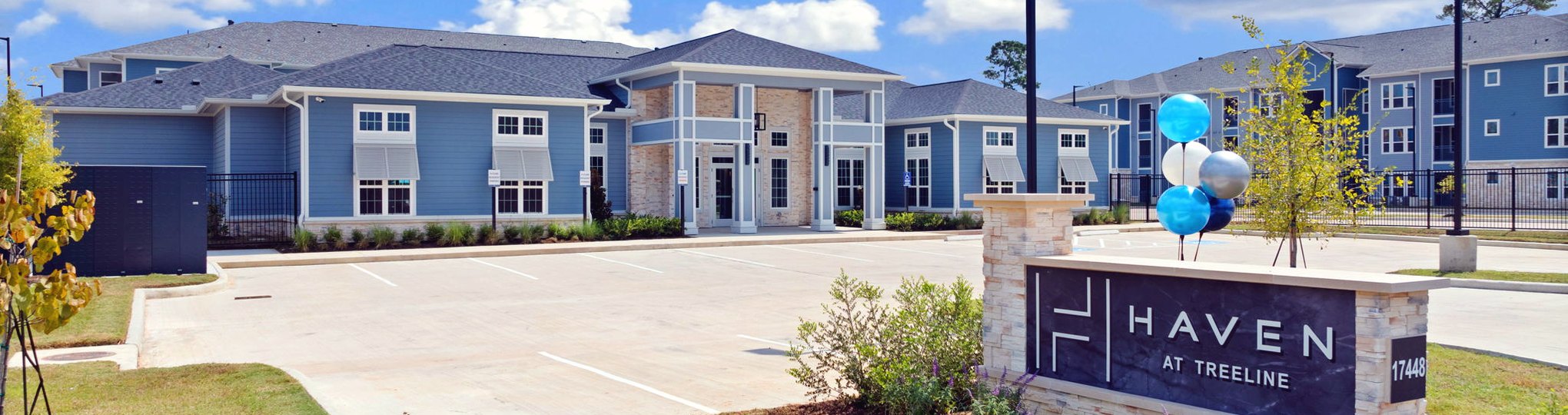
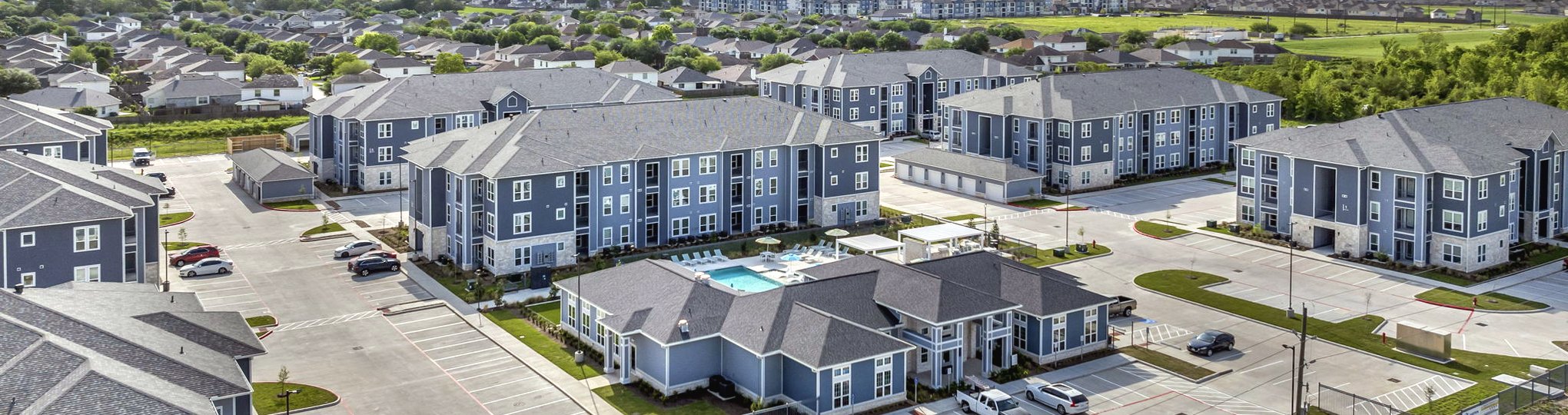
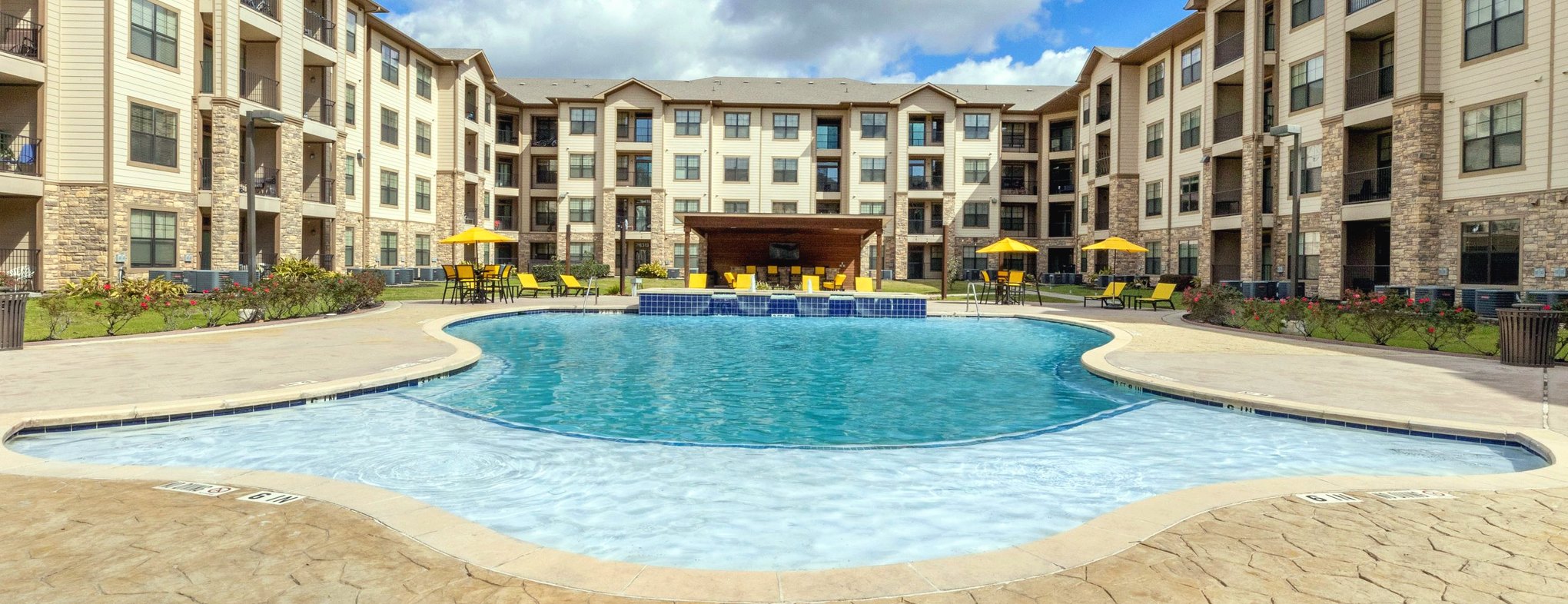
References to Ascendant Development's history, people, projects and practices are provided for general informational purposes only. They do not describe the terms, risks, projected performance or suitability of any investment. Photographs show prior or existing Ascendant projects and do not depict, or represent the results of, any current or future offering.
The sponsor-diligence questions, CPA questions and examples in this guide are general prompts, not a complete list of what an investor should ask, and do not describe any specific offering.
Sources
- Medscape (J. McKenna), "'A Return to Normalization': Medscape Physician Compensation Report 2026," Apr. 10, 2026. View source
- Medscape, "Infographic: How Much Doctors' Average Pay in the US Rose," Apr. 16, 2026. View source
- Internal Revenue Service, IR-2025-103, "IRS releases tax inflation adjustments for tax year 2026, including amendments from the One, Big, Beautiful Bill," Oct. 9, 2025. View source
- Internal Revenue Service, Notice 2026-11, "Interim Guidance on Additional First Year Depreciation Deduction under § 168(k)" (implementing OBBBA, P.L. 119-21, July 4, 2025). View source
- Internal Revenue Service, Topic No. 559, Net Investment Income Tax (last reviewed Sept. 24, 2026). View source
- Internal Revenue Service, Publication 925 (2025), Passive Activity and At-Risk Rules. View source
- U.S. Securities and Exchange Commission, "General solicitation: Rule 506(c)" (last updated Mar. 17, 2026). View source
- Internal Revenue Service, Instructions for Form 1065 (2025), U.S. Return of Partnership Income. View source
- U.S. Census Bureau, Survey of Construction, "Average Length of Time from Start to Completion of New Privately Owned Residential Buildings". View source
- Newmark, Houston Multifamily Market Report 1H26 (ApartmentData and RealPage data; starts, SFR/BTR). View source
- Code of Federal Regulations, 17 CFR 230.501(a), definition of accredited investor (eCFR). View source
- Code of Federal Regulations, 17 CFR 230.506(c), conditions and verification of accredited investor status (eCFR). View source
- U.S. Securities and Exchange Commission, Division of Corporation Finance, No-Action Letter to Latham & Watkins LLP (Rule 506(c) verification and minimum investment amounts), Mar. 12, 2025. View source
- U.S. Securities and Exchange Commission, EDGAR company and full-text search (Form D filings). View source
- U.S. Securities and Exchange Commission, "Private Placements: Rule 506(b)" (Form D; bad actor disqualification), last updated Sept. 21, 2026. View source
- FINRA BrokerCheck. View source
- NAHB Eye on Housing (J. Wade), "Energy Prices Rise Again in August" (BLS Producer Price Index, inputs to new residential construction), Sept. 10, 2026. View source
- Advisor Perspectives, "Treasury Yields Snapshot: October 9, 2026". View source
- Transwestern, Houston Multifamily Market, Q2 2026 factsheet. View source
- Texas Legislative Council, "Texas Taxes: Overview and Glossary," Mar. 2013 (income tax entry). View source
- Texas Comptroller of Public Accounts, "Valuing Property" (Tax Code Section 23.01; appraisal at market value as of Jan. 1). View source
- Texas Comptroller of Public Accounts, "Appraisal Protests and Appeals." View source
- Internal Revenue Service, Rev. Proc. 2025-32 (2026 inflation adjustments), Section 4.31, Threshold for Excess Business Loss. View source
- Internal Revenue Service, Publication 946 (2025), How To Depreciate Property. View source
- Internal Revenue Service, IR-2026-06, "Treasury, IRS issue guidance on the additional first year depreciation deduction amended as part of the One, Big, Beautiful Bill," Jan. 14, 2026. View source
- Internal Revenue Service, Publication 5653, Cost Segregation Audit Techniques Guide (rev. Feb. 6, 2025). View source
- Internal Revenue Service, Instructions for Form 7004 (automatic extension of time to file business returns). View source
- Internal Revenue Service, Instructions for Form 461 (2025), Limitation on Business Losses. View source
- Internal Revenue Service, Publication 544 (2025), Sales and Other Dispositions of Assets. View source
- Internal Revenue Service, Topic No. 409, Capital Gains and Losses (last reviewed Sept. 24, 2026). View source
- Internal Revenue Service, "Get an extension to file your tax return" (Form 4868; last reviewed Sept. 20, 2026). View source
- California Franchise Tax Board, Publication 1001 (2025), Supplemental Guidelines to California Adjustments. View source
- Internal Revenue Service, Publication 598 (rev. Mar. 2021), Tax on Unrelated Business Income of Exempt Organizations. View source
- Internal Revenue Service, Publication 590-A (2025), Contributions to Individual Retirement Arrangements (IRAs). View source
- Internal Revenue Service, Publication 590-B (2025), Distributions from Individual Retirement Arrangements (IRAs). View source
- 26 U.S.C. Section 4975, Tax on prohibited transactions (Cornell Legal Information Institute). View source
- 26 U.S.C. Sections 511-514, unrelated business taxable income and unrelated debt-financed income (Section 514 shown; Cornell Legal Information Institute). View source
- Internal Revenue Service, Instructions for Form 8606 (2025), Nondeductible IRAs. View source
- 26 U.S.C. Section 408A, Roth IRAs (Cornell Legal Information Institute). View source
- 26 U.S.C. Section 6662, Accuracy-related penalty, including substantial valuation misstatements (Cornell Legal Information Institute). View source
- Social Security Administration, "Medicare Premiums: Rules for Higher-Income Beneficiaries" (Publication No. 05-10536). View source
- Freddie Mac, Primary Mortgage Market Survey (week of Oct. 8, 2026). View source
- NAHB Eye on Housing (R. Dietz), "Second Quarter Declines for Single-Family Built-to-Rent," Aug. 2026. View source
- U.S. Census Bureau, "Slow Growth Impacts Nation's Largest Counties Hardest" (Vintage 2025 metro and county estimates), released Mar. 26, 2026. View source
- Texas Medical Center, "About Us: TMC at a Glance". View source
- Greater Houston Partnership, "Job Growth Forecasted for Houston Region in 2026," Dec. 11, 2025. View source
- Census Reporter, ZCTA 77345 (Kingwood), U.S. Census Bureau American Community Survey 2020-2024 5-year estimates. View source
- Northmarq, Houston Multifamily Market Insights, Q2 2026. View source
For educational purposes only. Not an offer to sell or a solicitation of an offer to buy any security. Any offering will be made only to verified accredited investors under Rule 506(c) of Regulation D through definitive offering documents. Past performance does not guarantee future results.